
When you buy custom merchandise, promotional gifts, or branded products from China, exchange rates can affect your purchasing budget and profit margins.
A quotation may look competitive when you receive it, but the final cost in your home currency can change before you pay your supplier. For retailers, wholesalers, distributors, and brands that place bulk orders, even a small exchange rate movement can make a noticeable difference to total purchasing costs.
Understanding currency fluctuations helps you compare wholesale quotes, plan cash flow, and make better purchasing decisions.
In this guide, we explain how exchange rates affect wholesale purchasing from China and share practical ways to manage currency risk when you work with a manufacturer or wholesale supplier.
1. What Are Currency Fluctuations?
Currency fluctuations occur when the value of one currency changes relative to another.
For example, your business may use US dollars (USD) or euros (EUR), while your supplier quotes your custom merchandise in Chinese yuan (CNY) or US dollars.
If your home currency loses value against the currency you use to pay your supplier, you may need more of your home currency to complete the same payment.
If your home currency gains value, the same supplier invoice may cost you less in your home currency.
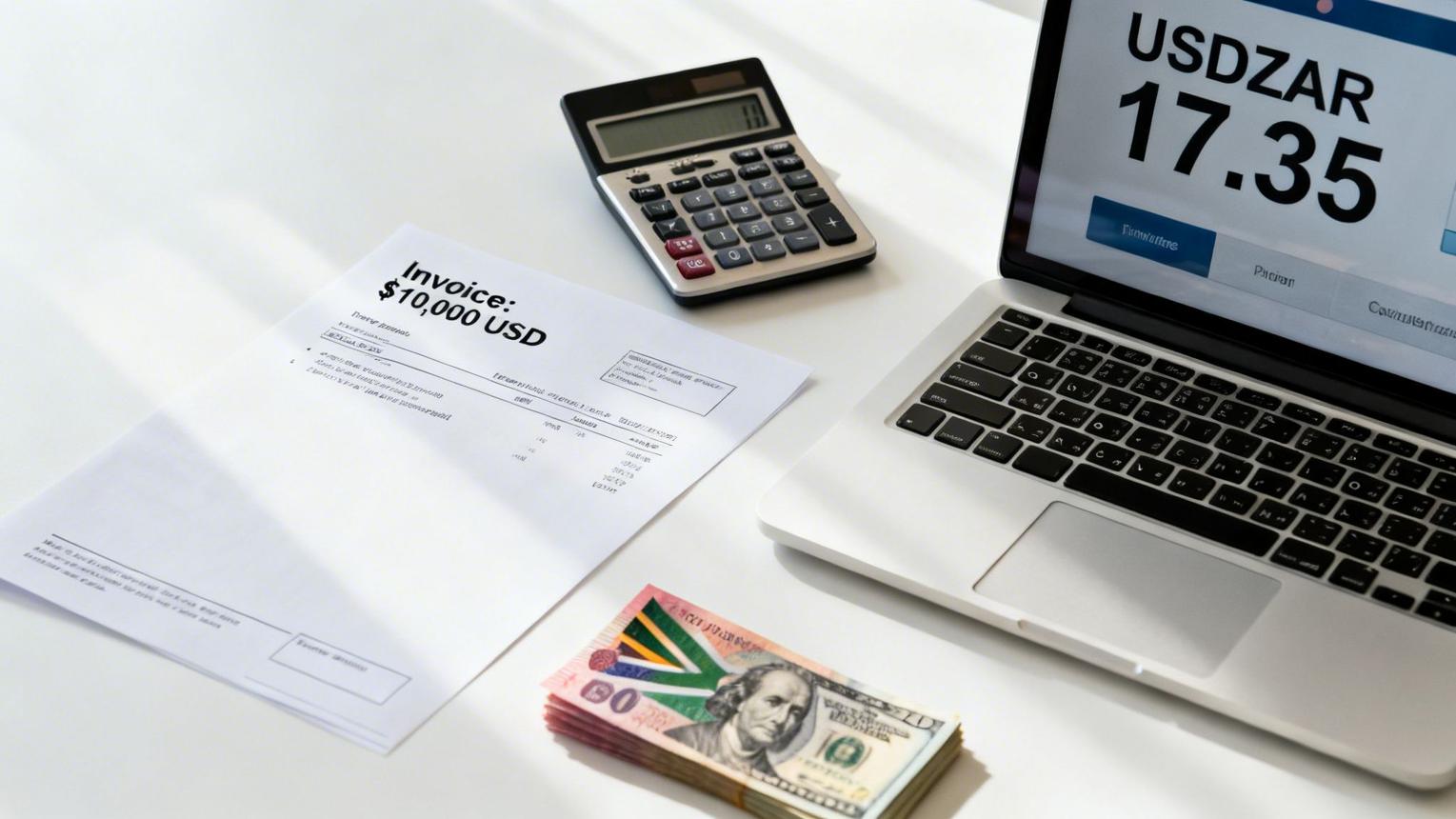
However, the impact depends on the currency named in your quotation and contract. If your supplier quotes and invoices you in USD, changes in the USD-to-CNY exchange rate do not directly change the USD amount on your invoice. They may still affect the supplier’s costs and future pricing decisions.
Key point: Always identify the quotation currency, invoice currency, payment currency, and currency you use to measure your business costs.
2. How Exchange Rates Affect Wholesale Purchasing From China
Currency movements can affect your purchasing decisions in several ways.
Your Local-Currency Purchasing Cost
If your supplier quotes in USD but your business holds EUR, you need to convert euros into dollars to pay the invoice.
When the euro weakens against the dollar, you may need more euros to purchase the same amount of USD.
This can increase your purchasing cost even when the supplier keeps the unit price unchanged.
Your Product Budget
If you plan a bulk order with a fixed budget, unfavorable currency movements may reduce the quantity you can afford.
For example, your budget may cover 10,000 units at one exchange rate but cover fewer units after your local currency weakens.
You can manage this risk by setting a currency buffer in your budget and confirming your exchange rate assumptions before you commit to a large order.
Your Profit Margin
Retailers and distributors often set selling prices in their local currency. If purchasing costs rise but selling prices remain unchanged, your gross margin may shrink.
This issue matters when you operate on fixed-price contracts, prepare seasonal promotions, or sell products with limited room for price adjustments.
Your Cash Flow
The timing of your deposit and balance payment can also affect your total cost.
If you pay a deposit now and the balance several weeks later, the two payments may use different exchange rates. Your final cost in your home currency may therefore differ from your original estimate.
Plan your payment schedule and cash requirements before you confirm the order.
3. A Simple Example: How Exchange Rates Change Your Order Cost
Imagine that you place a custom merchandise order with a supplier in China.
Your supplier quotes a total of US$20,000, and your business measures purchasing costs in euros.
For illustration, assume the exchange rate changes from EUR 1 = USD 1.10 to EUR 1 = USD 1.05 before you make the payment.
At the first exchange rate:
US$20,000 ÷ 1.10 = approximately €18,182
At the second exchange rate:
US$20,000 ÷ 1.05 = approximately €19,048
The difference is approximately €866, even though the supplier’s USD invoice remains unchanged.
These figures are hypothetical examples, not current exchange rates or a forecast.
The example shows why you should evaluate both the supplier’s quoted price and the currency conversion cost.
For a large wholesale order, calculate the impact before you approve your purchasing budget.
4. Why Your Supplier’s Quoted Price May Change
Exchange rates are only one factor that can affect wholesale pricing.
A supplier may also review prices when its material, labor, packaging, production, or logistics costs change.
For custom manufacturing, the final quotation may depend on:
- Product materials and dimensions
- Printing, cutting, finishing, and assembly
- Order quantity and MOQ
- Custom packaging and accessories
- Production setup and sample requirements
- Raw material availability
- Quotation currency and payment terms
- The quotation’s validity period
For example, a custom acrylic keychain order may involve acrylic sheets, printing, hardware, protective film, individual packaging, and labor. Currency movements may affect some of these inputs differently, depending on how the manufacturer purchases materials and manages its costs.
Do not assume that every exchange rate change requires a price adjustment. Ask your supplier to explain any quotation revision and identify which costs have changed.
5. Understand the Currency in Your Quotation and Contract
Before you place a bulk order, confirm the currency terms with your supplier.
Ask these questions:
Which currency appears on the quotation?
Check whether the supplier quotes in USD, CNY, EUR, or another currency.
Which currency will you use for payment?
Your quotation and payment currency may differ. Confirm how your bank or payment provider will convert the funds.
How long does the quotation remain valid?
A quotation may have a validity period. Check the expiry date and confirm whether the supplier can maintain the quoted price during that period.
What happens if you change the order?
Changes to quantities, materials, specifications, or packaging may affect the price independently of exchange rates.
Which payment fees apply?
Your bank, intermediary bank, or payment provider may charge conversion or transfer fees. Include applicable fees in your purchasing budget.
Document these details before you approve the order. Clear terms reduce the risk of misunderstandings during payment.
6. How to Calculate Your Landed Cost
Do not evaluate a wholesale order by unit price alone. Your landed cost includes the costs required to bring the goods to your intended destination.
Depending on your shipping arrangement, these costs may include:
- Product purchase price
- Custom packaging and accessories
- Freight and insurance
- Customs duties and import taxes
- Customs clearance and handling fees
- Bank and currency conversion fees
- Other applicable delivery charges
Your exact cost depends on the agreed shipping terms, destination, product classification, and import rules.
Use this basic formula:
Landed cost = Product cost + Freight + Insurance + Duties and taxes + Handling fees + Other applicable costs
To estimate your landed cost in your home currency, convert the relevant costs using the exchange rates that apply to each payment. Different invoices may use different currencies.
For example, your supplier may invoice the goods in USD while your freight forwarder charges in another currency. Track each cost separately and document the exchange rate you use in your calculation.
This approach gives you a more realistic view of your total purchasing cost and helps you compare suppliers on an equivalent basis.
7. Seven Practical Ways to Manage Currency Risk
You cannot control foreign exchange markets, but you can improve how you plan and manage your purchasing decisions.
1. Set a Currency Buffer
Build a reasonable exchange rate allowance into your purchasing budget.
Base the allowance on your payment currency, payment schedule, order size, and risk tolerance. Do not use an arbitrary percentage without considering your actual exposure.
2. Request a Clear Quotation
Ask your supplier to specify the quotation currency, validity period, payment terms, product specifications, and any exclusions.
A clear quotation helps you separate product price changes from currency conversion costs.
3. Confirm Prices Before You Commit
If your supplier offers a valid quotation, confirm how long the price remains available and what conditions apply.
For a large bulk order, avoid assuming that an old quotation will remain valid indefinitely.
4. Plan Your Payment Schedule
Understand when you need to pay the deposit and balance. Estimate how much currency you will need for each payment and when you need the funds.
Do not delay a contractually required payment solely because you expect a better exchange rate.
5. Review Your Total Landed Cost
Include product, shipping, import, and payment-related costs in your budget.
A supplier with a slightly higher unit price may still offer a competitive total cost if its packaging, product quality, or shipping arrangement better fits your needs.
6. Discuss Pricing Terms With Your Supplier
For ongoing orders, ask whether your supplier can offer a defined quotation validity period or an agreed pricing review process.
Some suppliers may consider pricing arrangements for repeat orders, but the terms depend on the product, order volume, costs, and commercial agreement.
Do not assume that a supplier will guarantee a fixed price or absorb currency movements. Confirm the arrangement in writing.
7. Ask Your Financial Provider About Risk Management
If your business makes regular or high-value international payments, ask your bank or qualified financial provider about available foreign exchange services.
Depending on your circumstances, you may be able to use tools such as forward exchange contracts. These products carry their own costs, conditions, and risks, so evaluate them carefully before making a commitment.
8. How Retailers and Wholesalers Can Protect Their Margins
Currency changes affect different businesses in different ways. Your purchasing strategy should reflect how you sell your products.
Retailers
If you sell directly to consumers, calculate your expected gross margin using realistic purchasing and landed costs.
Review your pricing before a major seasonal launch, especially when you commit to fixed retail prices or promotional discounts.
Wholesalers and Distributors
If you resell merchandise to other businesses, evaluate how exchange rate changes affect your wholesale price list and customer contracts.
For repeat orders, keep a record of previous supplier prices, conversion rates, and landed costs. This record helps you identify the source of cost changes.
Brands and Corporate Buyers
If you purchase custom merchandise for a campaign or corporate event, set your purchasing budget early and clarify the approval process for any quotation revisions.
For large projects, keep a contingency allowance for exchange rate movements and other cost changes.
E-commerce Sellers
If your marketplace sales and supplier payments use different currencies, monitor your product margin after currency conversion, payment fees, shipping, and other applicable costs.
Avoid making replenishment decisions based on supplier unit price alone.
9. How to Work With a China Manufacturer on Future Orders
A strong supplier relationship can help you communicate more clearly about costs and production plans. It cannot eliminate currency risk, but it can help you manage purchasing decisions.
When you work with a wholesale supplier in China, consider these practices:
- Share your expected order quantity and target delivery date early.
- Request itemized quotations for custom products and packaging.
- Confirm the quotation currency and validity period.
- Keep approved specifications consistent across repeat orders.
- Ask the supplier to explain material or pricing changes.
- Review wholesale pricing before launching a new campaign.
- Maintain written records of agreed payment terms.
For OEM/ODM and custom manufacturing projects, stable product specifications can also help you compare quotations across repeat orders. If you change materials, printing methods, dimensions, or packaging, ask the supplier to explain the cost impact separately from any currency-related changes.
10. How BOCE GIFTS Can Support Your Wholesale Purchasing Plan
At BOCE GIFTS, we work with business customers seeking custom promotional gifts and branded merchandise.
Our product range includes custom acrylic standees, keychains, badges, and other promotional products for wholesale and bulk order projects.
If you plan to source custom merchandise from China, prepare the information your supplier needs to review your requirements:
- Product type, artwork, and specifications
- Estimated order quantity
- Packaging requirements
- Target delivery date
- Destination country
- Preferred quotation and payment currency, where applicable
With these details, you can discuss product options, MOQ, wholesale pricing, custom manufacturing requirements, and the production schedule more clearly.
We encourage B2B buyers to confirm quotation validity, payment terms, and any potential cost changes before committing to a bulk order.
Planning your next wholesale order from China?
Contact BOCE GIFTS to discuss your custom merchandise requirements. Share your product design, estimated quantity, packaging needs, and target delivery date so we can review your project.
Frequently Asked Questions
1. How do exchange rates affect wholesale purchasing from China?
Exchange rates affect how much your business pays in its home currency when it converts funds to pay a supplier. The impact depends on your quotation currency, payment currency, invoice terms, and payment timing.
2. Will a weaker Chinese yuan always reduce my purchasing cost?
No. Your result depends on the currency in which your supplier quotes and invoices you, as well as the currencies you use for payment. A change in the yuan does not automatically reduce your USD invoice or your total landed cost.
3. Should I wait for a better exchange rate before placing a bulk order?
Waiting introduces uncertainty and may affect production scheduling, material availability, or delivery deadlines. Consider your budget, payment terms, market exposure, and required delivery date rather than relying on an exchange rate prediction.
4. Can a supplier in China keep the same price when exchange rates change?
The answer depends on the quotation validity period, payment terms, supplier cost structure, and commercial agreement. Ask your supplier to confirm the conditions in writing rather than assuming that the price will remain unchanged.
5. How can I protect my profit margin when exchange rates fluctuate?
Calculate your total landed cost, set a reasonable budget buffer, monitor conversion fees, review retail or resale pricing, and confirm supplier quotation terms before you place an order.
6. Should I pay my China supplier in USD or CNY?
There is no single answer for every business. Compare the quotation terms, available payment methods, bank conversion rates, transfer fees, and your own currency exposure. Choose the arrangement that gives you a clear and manageable total cost.
7. What should I check before accepting a revised wholesale quotation?
Compare the original and revised product specifications, order quantity, quotation currency, unit price, packaging, payment terms, and validity period. Ask the supplier to explain the reason for any changes.
Final Thoughts
Currency fluctuations can change the cost of wholesale purchasing from China, even when your supplier keeps the quoted price unchanged.
The most effective approach is to understand your currency exposure, calculate your landed cost, confirm quotation terms, and plan payments carefully.
For retailers, wholesalers, and brands, these practices support better budgeting and more informed purchasing decisions.
When you combine clear commercial terms with reliable supplier communication, you can manage currency uncertainty more effectively and build a stronger foundation for repeat orders.