Launching a new product always involves uncertainty. Your design may look excellent, your supplier may offer competitive wholesale pricing, and your packaging may look professional. However, you still need to confirm that the product meets your quality standards, fits your target market, and works well in real-world sales and fulfillment.
A pilot order helps you test these factors before you commit to a larger bulk order. Instead of investing heavily in an unproven product, you can use a smaller production run to identify problems, collect customer feedback, and improve your next order.
For B2B buyers, retailers, wholesalers, and e-commerce sellers, a well-planned pilot order can also help evaluate a manufacturer’s production process, packaging quality, communication, and ability to support repeat orders.
In this guide, we explain how to plan a pilot order for a new product, choose a suitable quantity, define quality requirements, evaluate results, and decide when to scale up.
1. Define What You Want to Learn From the Pilot Order
Before you contact a supplier or request wholesale pricing, define the main purpose of your pilot order.
A pilot order should answer specific business questions. If you simply place a small order without a clear testing plan, you may receive the products without learning whether the design, price, packaging, or market positioning works.
Start by identifying your biggest uncertainties.
Product validation
Does the finished product match your approved design? Does it meet your requirements for materials, dimensions, printing, durability, and functionality?
Market validation
Do your target customers like the product? Does the design appeal to your intended audience? Will customers accept your planned retail price?
Packaging validation
Does the packaging protect the product during storage and shipping? Does it look suitable for retail display or online sales? Can your team pack and ship orders efficiently?
Manufacturing validation
Can your supplier follow your specifications, maintain consistent quality, communicate clearly, and meet the agreed schedule?
Cost validation
Does the actual landed cost support your target selling price and expected profit margin?
Choose two or three primary objectives for your first pilot order. You can still monitor other factors, but clear priorities make your evaluation more useful.
2. Choose the Right Pilot Order Quantity
Your pilot order should provide enough products to test your main business assumptions without creating unnecessary inventory risk.
There is no universal pilot order quantity. The right amount depends on product cost, MOQ, production setup, customer demand, sales channels, and the type of feedback you need.
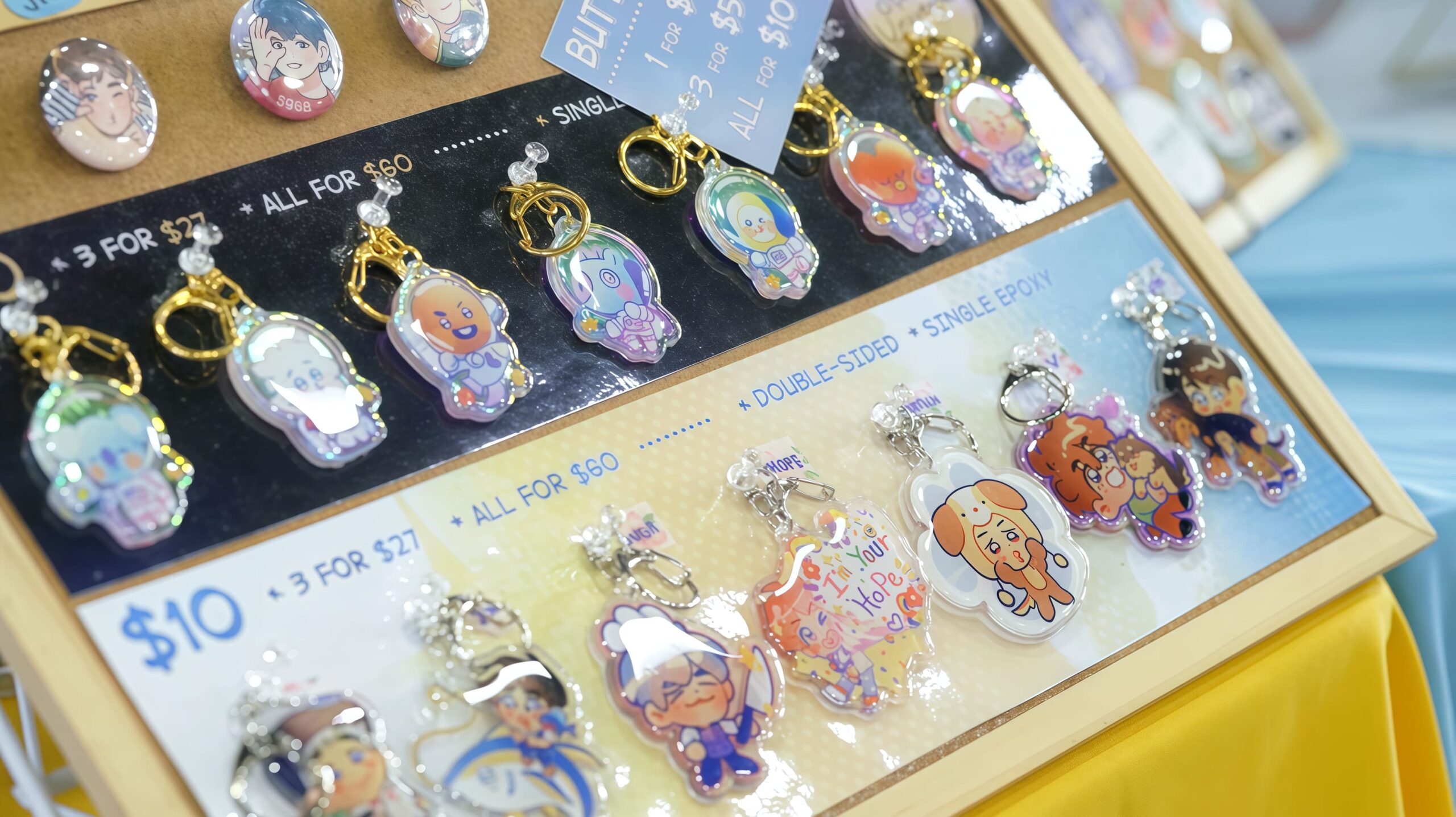
For example, a simple promotional keychain may require a different testing quantity from a premium gift set with several components and custom packaging.
Consider these factors when deciding how many units to order:
- Product cost: Higher unit costs may justify a smaller initial commitment.
- Supplier MOQ: Ask whether the manufacturer offers a low MOQ or a small production run.
- Setup and tooling: Custom molds, printing setups, or other tooling may affect the economics of a small order.
- Sales channel: A retailer with several stores may need more test units than a seller testing one online listing.
- Expected demand: Use existing sales data, customer interest, pre-orders, or comparable products to estimate demand.
- Testing purpose: Product testing, packaging validation, and market testing may require different quantities.
Use a simple three-stage approach
Stage 1: Sample approval
Review prototypes or production samples to confirm the design, materials, colors, dimensions, and finish.
Stage 2: Pilot order
Produce a limited quantity to test production consistency, packaging, shipping, and early customer response.
Stage 3: Bulk order
Increase the quantity after you review the pilot results and resolve important issues.
A sample and a pilot order serve different purposes. A sample helps you evaluate the product itself, while a pilot order helps you evaluate the product and the wider process at a more practical scale.
Do not choose a pilot quantity simply because it sounds small. Choose a quantity that answers your questions.
3. Calculate Your Budget Before Placing the Order
A pilot order costs more than the unit price multiplied by the quantity.
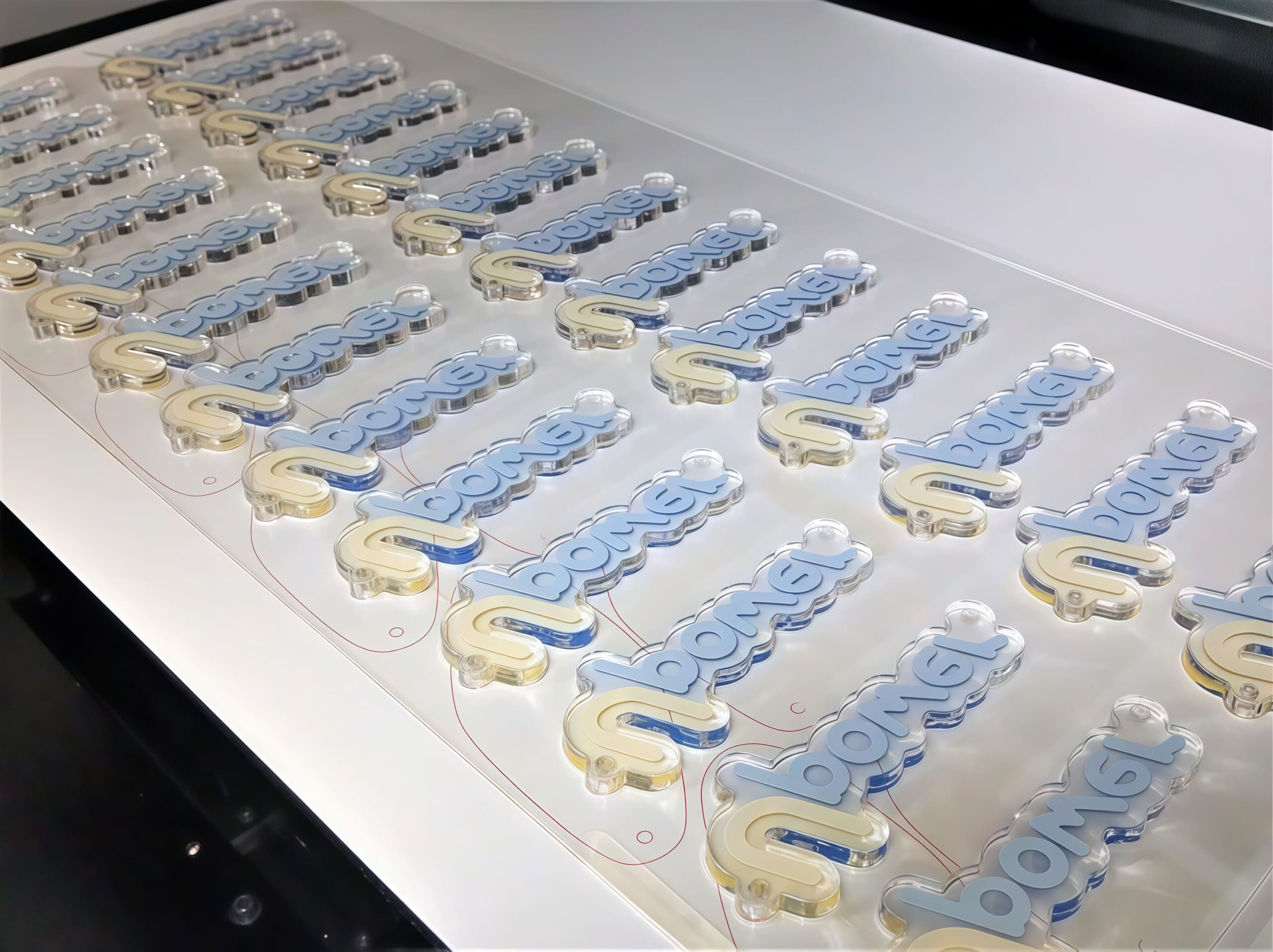
Custom products may require sample development, setup, packaging, inspection, and shipping. Some suppliers may also charge tooling or other development costs.
Prepare a budget that includes:
- Product manufacturing cost
- Sample or development cost
- Tooling and setup fees, where applicable
- Custom printing and packaging
- Inspection or testing costs
- International freight and insurance, where applicable
- Import duties, taxes, and other destination-related charges
- A reasonable allowance for unexpected expenses
Calculate the full landed cost
Use this formula as a starting point:
Total landed cost = Product cost + Packaging and setup + Freight and insurance + Applicable import charges + Other order-related costs
Then calculate the landed cost per unit:
Landed cost per unit = Total landed cost ÷ Number of saleable units received
For example, a pilot order may have a relatively high unit cost because setup and shipping expenses are spread across fewer units. A larger order may reduce the unit cost, but it also ties up more cash and creates greater inventory exposure.
Compare the pilot order’s actual cost with your target retail price or wholesale resale price. Do not assume that a future bulk order will automatically achieve a particular price. Ask your manufacturer for separate quotations at several quantities so you can compare the available options.
4. Confirm Product Specifications Before Production
A pilot order cannot give you reliable results if the supplier does not understand your requirements.
Before production begins, prepare a clear product specification sheet. Include the details that affect appearance, function, quality, and packaging.
For custom merchandise, specify:
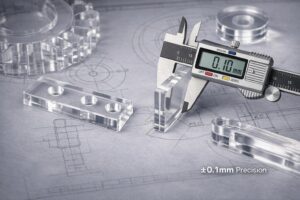
- Product dimensions and acceptable tolerances
- Material type, grade, and thickness where relevant
- Artwork files and approved colors
- Printing methods and surface finishes
- Component structure and assembly requirements
- Functional or durability requirements
- Individual packaging and outer carton requirements
- Inspection criteria and acceptable defect limits
For example, if you order custom acrylic standees, you may need to confirm panel dimensions, acrylic thickness, print placement, white ink requirements, base-slot fit, and protective packaging.
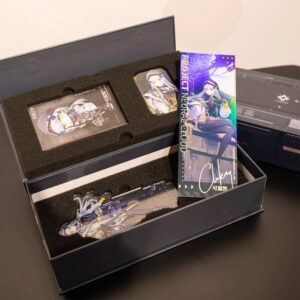
If you order a multi-item gift set, you should also confirm each component’s quantity and position within the package.
Ask your supplier to flag any specification that needs technical clarification. Resolve important questions before production rather than relying on assumptions.
5. Test Product Quality and Production Consistency
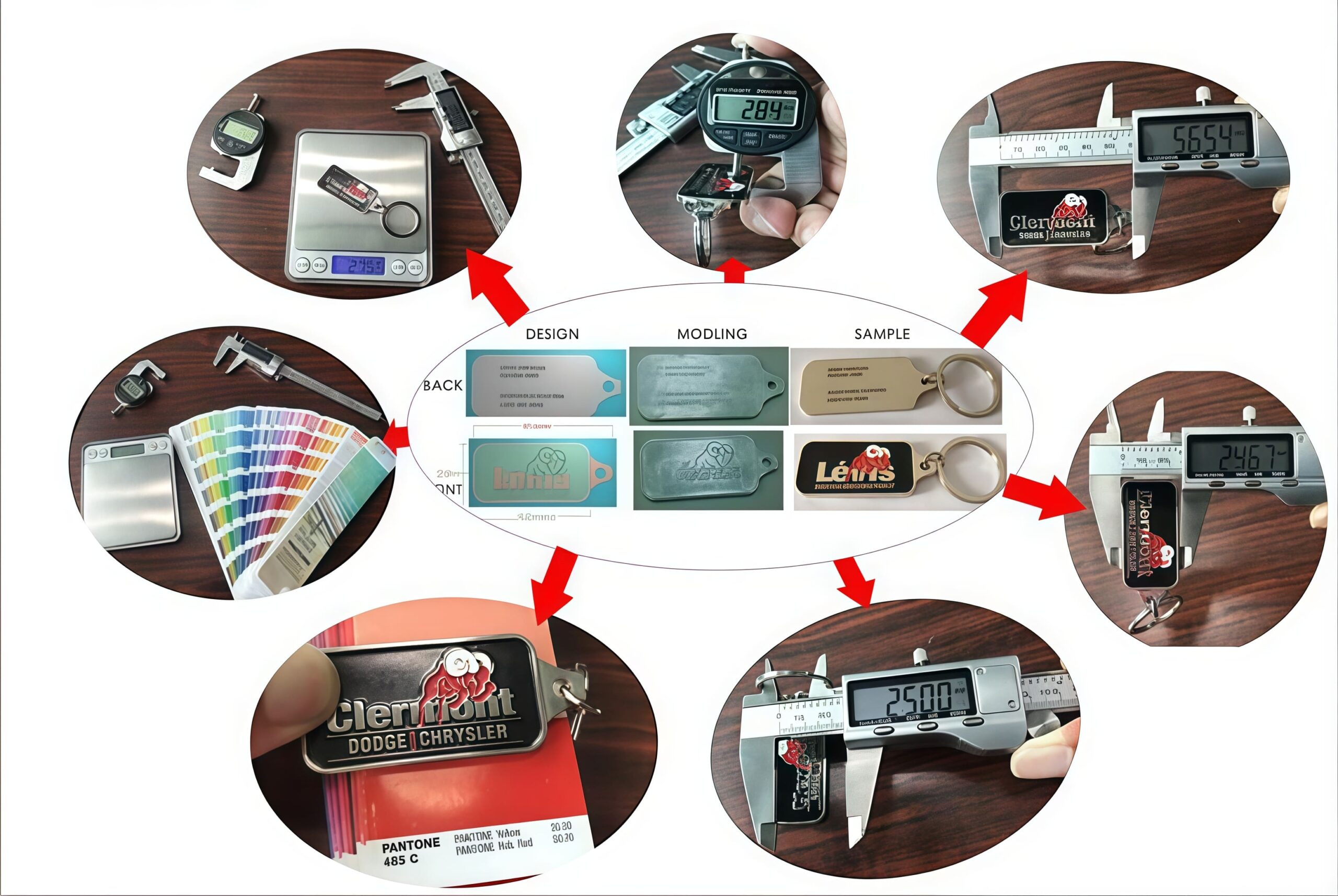
A pilot order gives you an opportunity to compare the actual products with your approved sample and specifications.
Do not inspect only one attractive unit. Check a suitable selection of products from the pilot batch, and increase inspection coverage when the product carries higher quality or safety risks.
What should you inspect?
Appearance: Check color, printing, surface finish, alignment, edges, and visible defects.
Dimensions: Measure key features against the approved specifications.
Function: Confirm that moving parts, connectors, stands, closures, or other functional features work as intended.
Durability: Test relevant features based on the product’s intended use. For example, check connection strength or resistance to ordinary handling when those factors matter.
Consistency: Compare multiple units to identify unexpected variation in color, dimensions, printing, or assembly.
Packaging: Confirm that the packaging protects the product and matches your approved presentation.
Record any defects with photographs, measurements, and clear descriptions. Discuss the findings with your supplier and agree on corrective actions before the next order.
A successful pilot order does not mean that every future batch will automatically meet the same standard. You still need appropriate quality control for larger orders and repeat production.
6. Evaluate Packaging and Shipping Performance
A product can pass inspection at the factory and still encounter problems during storage, transportation, or delivery.
Use your pilot order to evaluate the complete packaging system.
Check whether:
- Individual products remain secure inside their packaging.
- Printed surfaces avoid unnecessary contact and scratching.
- Gift sets arrive with all components and accessories.
- Outer cartons protect products during normal handling.
- Labels and product identification meet your operational needs.
- The packaging looks suitable for your sales channel.
- Your team can unpack, store, and fulfill orders efficiently.
For acrylic keychains, standees, badges, and other printed merchandise, pay particular attention to scratches, broken parts, loose accessories, and packaging that allows excessive movement.
If your business sells through e-commerce channels, review the packaging from the customer’s perspective as well as the warehouse team’s perspective. The package should protect the product while supporting a practical fulfillment process.
Document shipping damage and packaging problems. Use these findings to adjust the insert, protective sleeve, carton arrangement, or packing instructions before placing a larger bulk order.
7. Test Market Demand With a Small Release
Product quality alone does not guarantee commercial success. Your pilot order should also help you understand how customers respond to the product.
Choose a testing method that matches your sales channel.
For retailers
Display the product in a limited number of stores or test it with a small customer group. Track sales, customer questions, and requests for different designs, sizes, or colors.
For e-commerce sellers
Launch a limited listing or product release. Monitor relevant metrics such as product page visits, conversion rate, returns, customer reviews, and advertising cost.
For wholesalers and distributors
Share the sample or product information with selected accounts. Collect feedback on wholesale pricing, product appeal, packaging, and likely reorder interest.
For corporate promotional buyers
Test the product with a small internal group or a limited campaign before expanding the quantity for a larger event.
Set your success criteria before the test starts. You might review sales velocity, conversion, customer feedback, damage rates, or the number of buyers who request a repeat order.
Do not judge a product using sales volume alone. A short test period, limited exposure, seasonal demand, and marketing budget can all affect the results.
8. Track the Results With Clear Metrics
After you receive the pilot order and begin selling or distributing the products, collect the results in one place.
A simple tracking sheet can include the following metrics:
| Metric | What to record |
|---|---|
| Product quality | Defect types, defect rate, and corrective actions |
| Packaging | Damage, missing components, and packing issues |
| Market response | Sales, conversion, customer feedback, or account interest |
| Actual cost | Manufacturing, packaging, shipping, and other order costs |
| Fulfillment | Packing time, delivery problems, and operational issues |
| Reorder demand | Remaining stock, sales pace, and confirmed buyer interest |
Compare the results with your original objectives.
If customers like the product but packaging damage remains high, improve the packaging before scaling up. If quality meets your standards but demand remains weak, review the design, price, positioning, or marketing plan before ordering more units.
Keep the original specifications and the pilot results together. These records will help your team and manufacturer make more informed decisions during future production.
9. Decide When to Move From a Pilot Order to a Bulk Order
Do not expand an order simply because the pilot batch arrived successfully. Review the full set of results before you commit more inventory and cash.
You can use three practical decision categories.
Green: Ready to scale
Consider a larger order when the product meets the approved specifications, packaging performs as expected, costs fit your business plan, and market feedback supports further sales.
Before placing the order, confirm the latest quotation, production schedule, quality requirements, packaging specifications, and expected delivery date.
Yellow: Improve before scaling
Use this category when the product shows potential but still has manageable issues. Examples include packaging that needs reinforcement, colors that need adjustment, or assembly steps that require clarification.
Agree on corrective actions, approve the updated specifications, and consider another sample or limited production run if the changes materially affect the product.
Red: Pause and reassess
Stop and review the project when major quality problems remain unresolved, the landed cost does not support your target margin, or customer demand falls well below your expectations.
You may need to redesign the product, change the price, select a different supplier, or stop the launch.
These categories provide a practical framework rather than automatic rules. Define the acceptance criteria that make sense for your product, business model, and risk level.
10. Work With Your Manufacturer to Plan the Next Order
A pilot order should create a stronger foundation for your relationship with your supplier.
Share your findings with the manufacturer, including product defects, customer feedback, packaging issues, target costs, and expected future demand.
Ask the factory to help you evaluate:
- Which design changes can improve manufacturability
- Which quality issues require process changes
- Whether the next order needs new tooling or setup
- How different order quantities affect wholesale pricing
- Whether the factory can support your expected production schedule
- Which specifications should remain unchanged for repeat orders
A factory-direct supplier in China may help coordinate product development, material sourcing, printing, assembly, packaging, and quality control. However, you should confirm the supplier’s actual capabilities and responsibilities before relying on a single partner for every process.
For custom merchandise, OEM/ODM projects, and private label products, maintain approved artwork, specifications, packaging details, and sample records. These documents help your team communicate changes clearly and support more consistent re-orders.
11. Common Pilot Order Mistakes to Avoid
Avoid these mistakes when you plan your first production run.
Ordering without a clear objective. Define what you need to validate before deciding the quantity.
Choosing a quantity only to meet the lowest price. A small order may cost more per unit, but it can limit inventory exposure while you test the product.
Skipping written specifications. Record the details that determine quality, fit, printing, and packaging.
Testing the product but ignoring the packaging. Shipping damage and difficult fulfillment can undermine an otherwise successful product.
Using vague success criteria. Decide in advance how you will evaluate quality, cost, demand, and operational performance.
Scaling up before fixing known problems. Resolve significant issues before you repeat them across a larger batch.
Failing to plan the next step. Decide what results would justify a bulk order, another pilot, a redesign, or cancellation.
Pilot Order Planning Checklist
Before you place your order, confirm that you can answer these questions:
-
What do we want to validate with this pilot order?
-
Who will buy or use the product?
-
What quantity supports our testing goals and budget?
-
Does the supplier understand our product specifications?
-
Have we reviewed sample quality and production requirements?
-
Does the budget include packaging, shipping, and applicable import costs?
-
How will we inspect the products and record defects?
-
How will we evaluate packaging and delivery performance?
-
Which sales or customer feedback metrics will we track?
-
What results will justify a larger bulk order?
-
Have we agreed on corrective actions and repeat-order requirements?
Final Thoughts
A pilot order helps you move from assumptions to evidence before you commit to a larger investment. It gives you a practical way to validate product quality, packaging, production consistency, customer demand, and actual costs.
The best pilot order does not simply produce a small quantity of products. It answers specific questions and gives you a clear basis for your next decision.
For B2B buyers, retailers, and wholesalers, this approach can reduce avoidable inventory risk, improve communication with suppliers, and support more informed bulk orders and repeat orders.
Planning a new custom merchandise product?
BOCE GIFTS helps B2B buyers explore factory-direct custom merchandise and OEM/ODM solutions. Share your product design, target quantity, packaging requirements, and target cost with our team to discuss a practical production plan for your next launch.