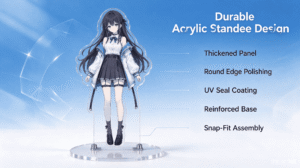
A product can look simple on screen but become expensive to manufacture. A small change in material, part geometry, connection structure, or surface finish can affect production time, assembly labor, quality control, and the final unit price.
For B2B buyers, retailers, and wholesalers, product design does more than define how an item looks. It also determines how easily a manufacturer can produce, assemble, inspect, pack, and reproduce the product across a bulk order.
This matters even more when you develop custom merchandise. An acrylic standee with a complicated outline, a gift set with multiple components, or a promotional product with several printed parts may require more processing and assembly than a simpler design.
In this guide, we explain how product design affects manufacturing cost and assembly, which design decisions often increase production complexity, and how you can work with a manufacturer to develop products that balance appearance, function, quality, and cost.
1. Understand What Makes Up the Manufacturing Cost
Before you change a design to reduce cost, you need to understand where the cost comes from.
A custom product’s manufacturing cost may include several components:
- Material cost: The type, grade, thickness, size, and quantity of materials.
- Processing cost: Cutting, machining, molding, printing, polishing, sewing, or other production operations.
- Tooling and setup cost: Molds, cutting dies, fixtures, programming, and production preparation where applicable.
- Assembly cost: The labor and equipment needed to connect components and complete the product.
- Finishing cost: Painting, coating, edge polishing, surface treatment, or additional decorative work.
- Quality control cost: Inspection, testing, rework, and handling of nonconforming products.
- Packaging cost: Individual bags, protective materials, inserts, boxes, and packing labor.
Not every product requires every process. A flat printed item may need little assembly, while a multi-part product may require several operations and inspection steps.
Your design influences how much material the factory uses, how many operations the product needs, and how long workers spend on each unit.
You should therefore evaluate the total manufacturing process instead of focusing only on the material price.
2. Product Complexity Can Increase Processing Time
Complex designs often require more production steps, more careful handling, or slower processing speeds.
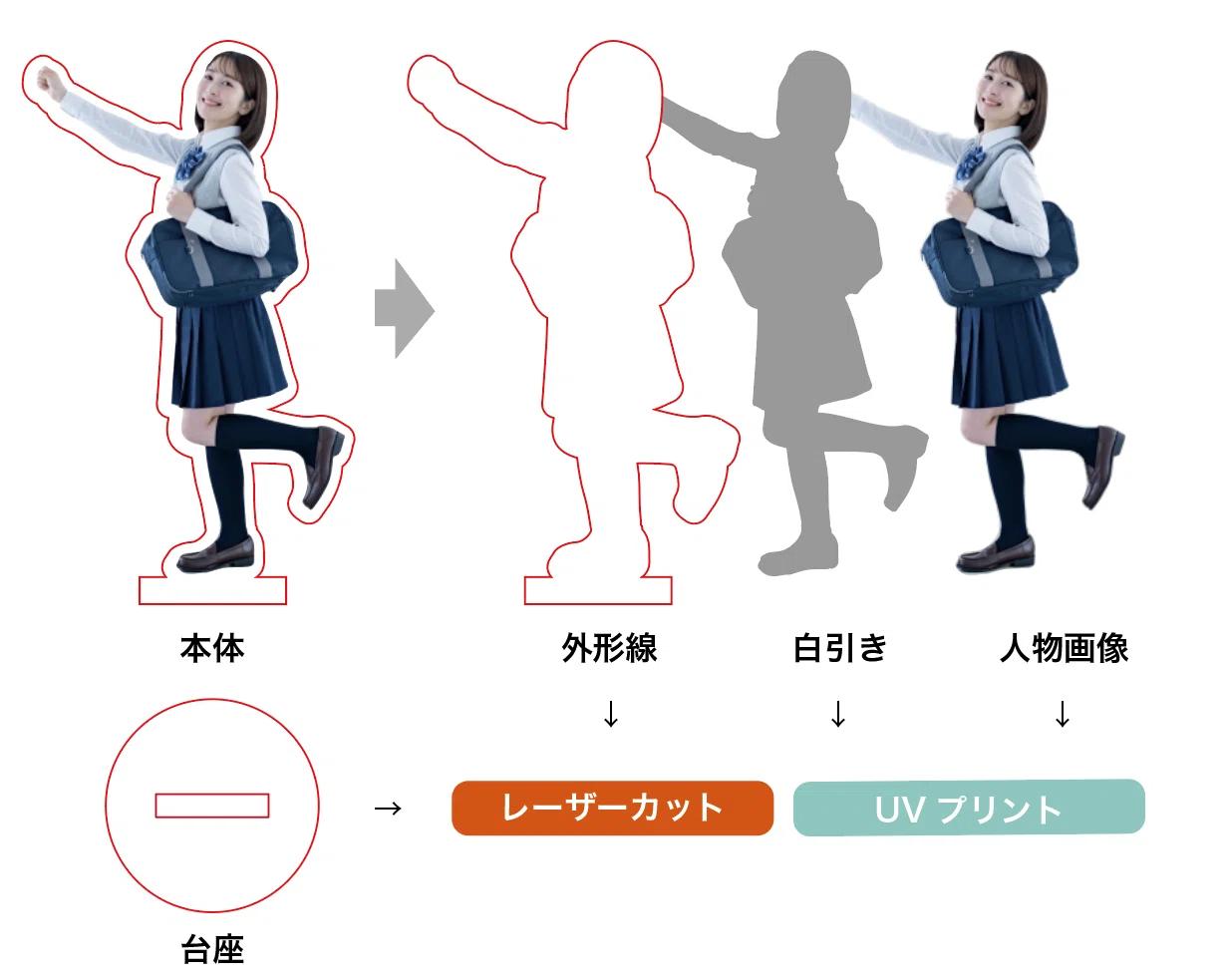
For example, a product with a simple outer contour may need only one cutting operation. A design with many small details, narrow gaps, sharp internal corners, and delicate projections may require slower cutting, additional finishing, or more careful inspection.
Consider a custom acrylic standee.
A design with a broad silhouette and a stable base may allow straightforward cutting and assembly. A design with many thin extensions, intricate internal cutouts, and several separate decorative pieces may require more processing and increase the risk of breakage.
How to simplify a design without losing its identity
- Keep essential visual features that make the product recognizable.
- Remove decorative details that do not add meaningful value.
- Avoid unnecessarily narrow sections and fragile projections.
- Combine features into fewer components where the product’s function allows it.
- Ask your manufacturer to identify difficult areas before you approve the final artwork.
You do not need to make every product simple. Premium and collectible merchandise may justify complex details. The goal is to understand the cost of each design decision and make sure it supports your product’s value.
3. Material Selection Affects More Than the Material Price
A lower material price does not always produce a lower manufacturing cost.
Different materials require different cutting methods, forming processes, finishing treatments, and assembly techniques. A material that costs less per kilogram or sheet may need more processing or create more waste.
When you select materials, consider:
- Material price and availability
- Required thickness, strength, and flexibility
- Cutting, machining, or forming requirements
- Surface finish and printing compatibility
- Waste generated during production
- Product weight and packaging needs
- Quality and consistency across repeat orders
For example, acrylic thickness affects both material consumption and product behavior. A thicker panel may increase material cost and weight, while a thinner panel may need more careful structural design if the product includes narrow sections or must stand upright.
For fabric merchandise, the fabric type, lining, seams, and reinforcement can affect sewing time and finishing requirements.
Ask your manufacturer to compare suitable material options against the product’s function, target price, and expected use. Avoid changing materials based on price alone, because a cheaper option may compromise durability, appearance, or production consistency.
4. Part Count and Assembly Structure Affect Labor Cost
Every additional component can create another step in the manufacturing process.
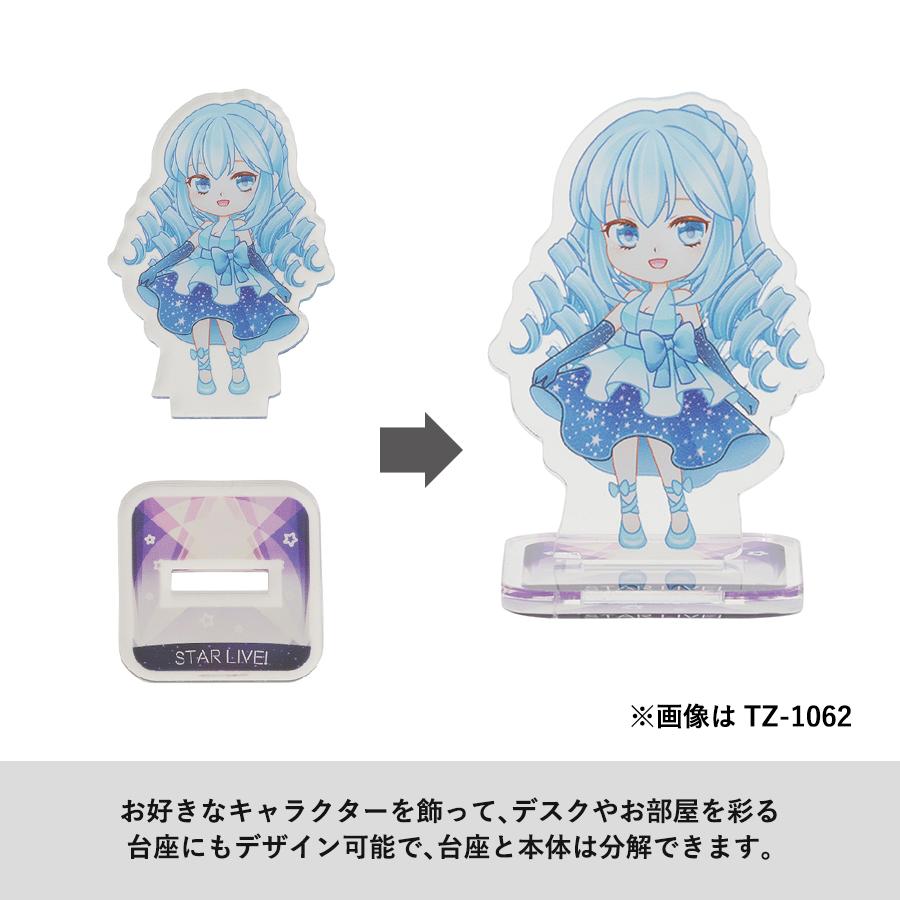
A multi-part product may require workers to position, align, connect, glue, fasten, or inspect each component. If workers need to repeat these steps for thousands of units, even a small increase in assembly time can affect the total order cost.
When a design uses too many separate parts
A product may include several decorative pieces, connectors, screws, brackets, or separate structural elements. These parts can increase material handling, inventory management, assembly time, and the risk of missing components.
Where the product’s function allows, consider:
- Combining compatible features into one component.
- Reducing the number of separate fasteners.
- Using consistent connector sizes.
- Making parts easier to identify and position.
- Designing components that fit together in a clear sequence.
For example, a promotional gift set with five individually packaged accessories needs more handling than a set with fewer components and a coordinated packing layout. The right approach depends on the customer’s expectations and the product’s intended value.
Design for easier assembly
A good assembly design helps workers understand where each component belongs and how to connect it.
Clear alignment features, accessible connection points, and consistent component orientation can reduce confusion and assembly errors. A design that allows only one correct orientation can also simplify packing and inspection.
However, part reduction should never compromise safety, structural strength, product function, or the appearance your customer expects.
5. Tolerances and Fit Affect Production Yield
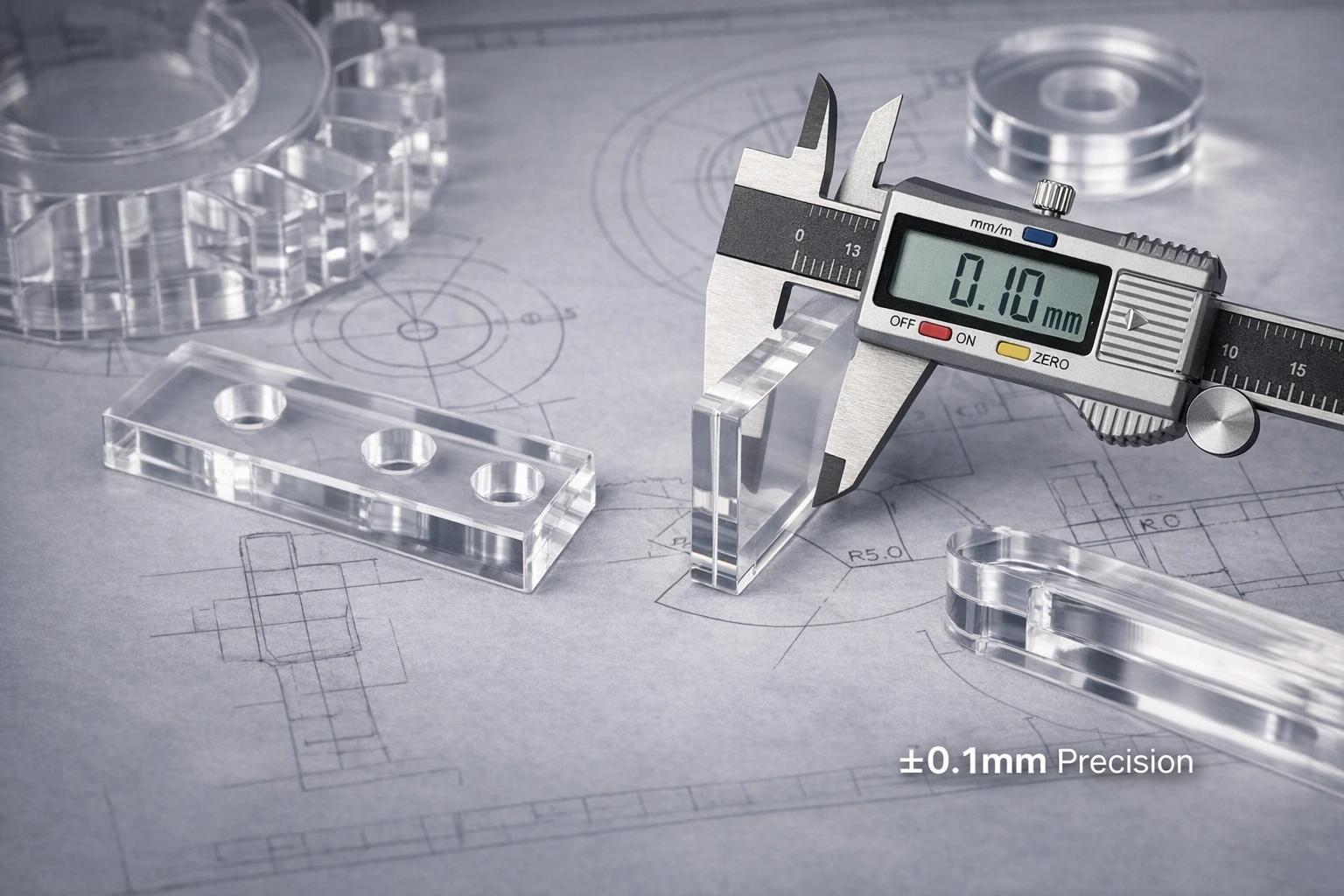
Tolerances define the acceptable variation in a product’s dimensions. They affect whether components fit together and how consistently a manufacturer can produce the design.
Very tight tolerances may require more precise equipment, additional measurement, slower processing, or more frequent rejection of parts that fall outside the specification.
You should specify tolerances according to the function of each feature rather than applying the tightest possible tolerance to every dimension.
Example: An acrylic standee and its base
An acrylic standee needs a slot and a base that fit together correctly. If the slot is too narrow, the panel may not fit. If it is too wide, the standee may wobble or fail to stand securely.
The appropriate fit depends on the material, thickness, cutting process, design geometry, and required stability.
Ask your manufacturer to recommend suitable dimensions and tolerances based on the actual production process. Test a physical sample before confirming the specifications for a bulk order.
This principle also applies to products with screws, snap-fit connections, molded components, or multiple parts from different production processes.
A practical design uses tighter tolerances where function demands them and avoids unnecessary precision where it adds cost without improving performance.
6. Surface Finishes and Printing Add Process Steps
Surface finishes can make a product more attractive, but each additional finish may add cost, handling, inspection, or production time.
Depending on the product, finishing operations may include:
- UV printing or screen printing
- White ink printing
- Color matching and additional print passes
- Edge polishing
- Coating or protective finishing
- Decorative labels or applied graphics
- Individual protective films or sleeves
For custom acrylic merchandise, full-color printing, white ink, intricate cut lines, and polished edges can each affect the production workflow.
Before requesting a quotation, define which finishes matter most to your customer. Use premium treatments where they improve the product’s appearance, function, or perceived value. Avoid adding decorative processes that have little impact on the buying decision.
You should also confirm how the factory handles printed surfaces during assembly. A finish that looks excellent after printing can still suffer scratches if workers stack or pack the parts incorrectly.
7. Design for Efficient Production and Repeatability
A product may work well as a one-off prototype but become difficult or expensive to manufacture at scale.
Design for manufacturing means developing a product that matches the capabilities and practical workflow of the factory. It helps you identify production problems before they affect a large order.
Discuss these questions with your manufacturer early:
- Can the factory produce the design using its available equipment?
- Can workers access every area that needs cutting, printing, fastening, or inspection?
- Does the design require special tooling or a unique production setup?
- Can the factory repeat the same dimensions and appearance across a bulk order?
- Can workers assemble the product without excessive manual adjustment?
- Can the factory source the materials consistently for re-orders?
Standardize where it makes sense
If you plan to sell several product variations, consider sharing components or dimensions where practical.
For example, a merchandise collection may use the same packaging size, connector type, or base design across several products. Standardization can reduce design changes, simplify purchasing, and make repeat orders easier to manage.
However, do not force every product into the same structure if it creates poor fit or weak performance. Standardization works best when products genuinely share functional requirements.
8. Packaging Design Also Affects Assembly Cost
Packaging is part of the manufacturing workflow, not just a final decorative step.
A product that needs multiple protective layers, individual accessories, custom inserts, and complicated folding may take longer to pack than a product with a straightforward packaging structure.
For bulk orders, review the complete packing sequence:
- Prepare the product and its components.
- Apply any required protective film or individual packaging.
- Position each item in the insert or box.
- Add cards, instructions, or accessories.
- Close and seal the package.
- Check the final presentation and carton arrangement.
Look for ways to reduce unnecessary handling without sacrificing product protection.
For example, a custom gift set may use a well-designed insert to keep several items organized in one box. This can improve presentation and help workers pack the set consistently.
Before production, ask your supplier to review both the packaging structure and the packing sequence. The best design should protect the merchandise, support the intended unboxing experience, and remain practical for a bulk order.
9. Use Samples to Identify Costly Design Problems Early
A digital drawing cannot reveal every manufacturing or assembly issue. A physical sample allows you and your manufacturer to evaluate the actual product before mass production.
During sample review, check:
- Whether the materials match the specification.
- Whether components fit together correctly.
- Whether workers can assemble the product easily.
- Whether the design includes fragile or difficult-to-process features.
- Whether printing and finishing meet the expected standard.
- Whether packaging protects the product and supports efficient packing.
Ask the factory to record any production concerns and recommend alternatives. If a feature creates unnecessary processing or assembly work, compare the cost and appearance of a revised design.
For larger projects, you may need more than one development round. A prototype can validate the overall concept, while a production-ready sample can confirm the details that matter for manufacturing.
Do not approve a bulk order until you have agreed on the final specifications, sample appearance, assembly method, and quality requirements.
10. How B2B Buyers Can Optimize Design Without Sacrificing Quality
The cheapest design is not always the best design. A product that looks less attractive, breaks easily, or fails to meet customer expectations may cost more in the long run.
Instead, prioritize changes that reduce unnecessary complexity while preserving the features that create customer value.
Focus on high-impact design decisions
Simplify low-value details. Remove unnecessary decorative elements when they increase production time without improving the product meaningfully.
Choose materials based on function. Compare material price, processing requirements, durability, and appearance rather than selecting the cheapest option automatically.
Reduce avoidable assembly steps. Combine compatible components and improve alignment where the product allows.
Use practical tolerances. Specify tighter tolerances only where the fit, function, or appearance requires them.
Plan packaging early. Design the product and its packaging together to reduce last-minute changes and difficult packing procedures.
Validate the design before bulk production. Use samples to identify fit, finish, assembly, and packaging issues before they affect the full order.
Consider repeat orders. A design that supports consistent manufacturing can make future re-orders easier and more predictable.
When you work with a supplier in China, share your target cost, intended use, expected quantity, and essential design requirements. Your manufacturer can then suggest options that balance appearance, manufacturability, production capacity, and lead time.
11. What to Send Your Manufacturer Before Requesting a Quote
A clear quotation request helps your supplier evaluate the design more accurately.
Prepare the following information:
- Product drawings, artwork, or reference images
- Overall dimensions and important component measurements
- Material preferences and thickness requirements
- Printing, color, and finishing specifications
- Assembly or connection requirements
- Packaging and labeling requirements
- Estimated bulk order quantity
- Target unit cost or budget range, if available
- Sample requirements and target lead time
- Expected repeat order or product variation plans
You do not need to solve every engineering question before contacting a manufacturer. Share the information you have and identify the parts of the design that still need technical advice.
Ask the factory to explain major cost drivers and recommend alternatives when the current design requires expensive tooling, complicated assembly, or unnecessary processing.
This approach helps both sides discuss the same requirements and reduces avoidable misunderstandings during custom manufacturing.
Final Thoughts
Product design affects more than appearance. It influences material use, processing time, tooling, assembly labor, quality control, packaging, and the consistency of future production.
For B2B buyers, the goal is not to remove every detail or choose the lowest-cost material. The goal is to create a product that delivers the expected value while allowing the manufacturer to produce it efficiently and consistently.
Work with your manufacturer early, review the design from a production perspective, and test a physical sample before you commit to a bulk order.
Looking for a factory-direct partner for custom merchandise?
BOCE GIFTS works with B2B buyers on custom promotional gifts and merchandise projects. Contact our team to discuss your product design, materials, assembly requirements, OEM/ODM options, and wholesale pricing.