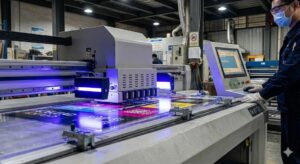
Slow-moving merchandise can tie up your cash, occupy valuable warehouse space, and reduce your ability to invest in new products.
For retailers, wholesalers, and merchandise brands, inventory management goes beyond buying products at the right wholesale price. You also need to understand what sells, what stays on the shelf, and when you should place your next bulk order.
Whether you sell anime merchandise, promotional gifts, acrylic products, or custom retail items, a clear inventory strategy can help you reduce excess stock and improve product turnover.
In this guide, we explain how to identify slow-moving merchandise, manage existing inventory, and work with your manufacturer to make smarter purchasing decisions.
1. Identify Slow-Moving Merchandise Early
The first step is to identify products that sell more slowly than you expected.
Do not judge a product only by its remaining stock. Compare its sales performance with your original sales plan.
Track these key indicators:
- Sales velocity: How many units do you sell each week or month?
- Inventory turnover: How quickly does your stock move compared with your average inventory.
- Days of inventory on hand: How long can your current stock support normal sales?
- Sell-through rate: What percentage of your available stock have you sold?
- Stock age: How long have the remaining units stayed in your warehouse?
For example, you may sell 100 acrylic keychains in one month but only 10 units of another design. If both products started with similar quantities, the second design needs closer attention.
Review your sales data regularly instead of waiting until your warehouse fills with unsold products.
2. Find Out Why Your Merchandise Sells Slowly

A slow-moving product does not always have a bad design. Several factors can affect its sales performance.
Weak Market Demand
Your customers may show less interest in a particular character, theme, color, or product category than you expected.
For anime and fan merchandise retailers, demand can change with new releases, events, fan preferences, and seasonal trends.
Incorrect Product Selection
A product may look attractive but fail to match your customers’ buying habits.
For example, a retailer may order too many premium gift items when most customers prefer affordable keychains, badges, or small accessories.
High Retail Price
Your product may offer good quality, but its retail price may exceed what your target customers want to spend.
Review your material costs, packaging, shipping expenses, and retail pricing before deciding whether the product needs a price adjustment.
Poor Product Presentation
Customers may overlook a product because your product photos, packaging, display position, or product description do not communicate its value.
Sometimes, better presentation can improve sales without changing the product itself.
Seasonal Demand
Some promotional gifts and merchandise sell mainly during specific periods.
Christmas products, Halloween merchandise, sports event gifts, and seasonal collections may move slowly outside their main selling seasons.
Understanding the reason behind slow sales helps you choose the right solution.
3. Classify Your Inventory Before Taking Action
Do not treat every slow-moving product in the same way.
Divide your inventory into three groups:
| Inventory Group | Typical Situation | Recommended Action |
|---|---|---|
| Fast-moving | Consistent sales and frequent reorders | Maintain stock and plan repeat orders |
| Slow-moving | Sales continue but remain below expectations | Improve promotion, pricing, or product presentation |
| Dead stock | Little or no sales over an extended period | Consider clearance, bundles, or discontinuation |
You can also use an ABC analysis to understand which products contribute the most revenue or profit.
- A products: Your most valuable products. Monitor them closely.
- B products: Products with moderate sales or business value.
- C products: Products with lower sales or contribution.
Use these categories as a starting point. Set your own thresholds based on your sales cycle and product type.
4. Use Promotions to Move Existing Inventory
Before placing another order, try to improve the sales performance of your existing stock.
Here are several practical approaches.
Create Product Bundles
Combine slow-moving products with popular items.
For example:
- Bundle an acrylic standee with an acrylic keychain.
- Combine a photocard holder with a matching accessory.
- Create a gift set with badges, lanyards, and small promotional items.
Product bundles can increase perceived value and help customers discover products they might otherwise ignore.
Offer Limited-Time Discounts
A short-term promotion can help you clear products that no longer fit your current collection.
However, avoid discounting every product. Protect your profit margin and use promotions strategically.
Improve Product Displays
Give slow-moving products better visibility.
You can test new product photos, homepage placements, category recommendations, retail displays, and social media content.
Target a Different Customer Group
A product that sells slowly in one channel may perform better in another.
For example, a promotional gift item may appeal more to corporate buyers than individual consumers. A small acrylic accessory may work better as an add-on product than as a standalone purchase.
5. Avoid Ordering Too Much of One Design
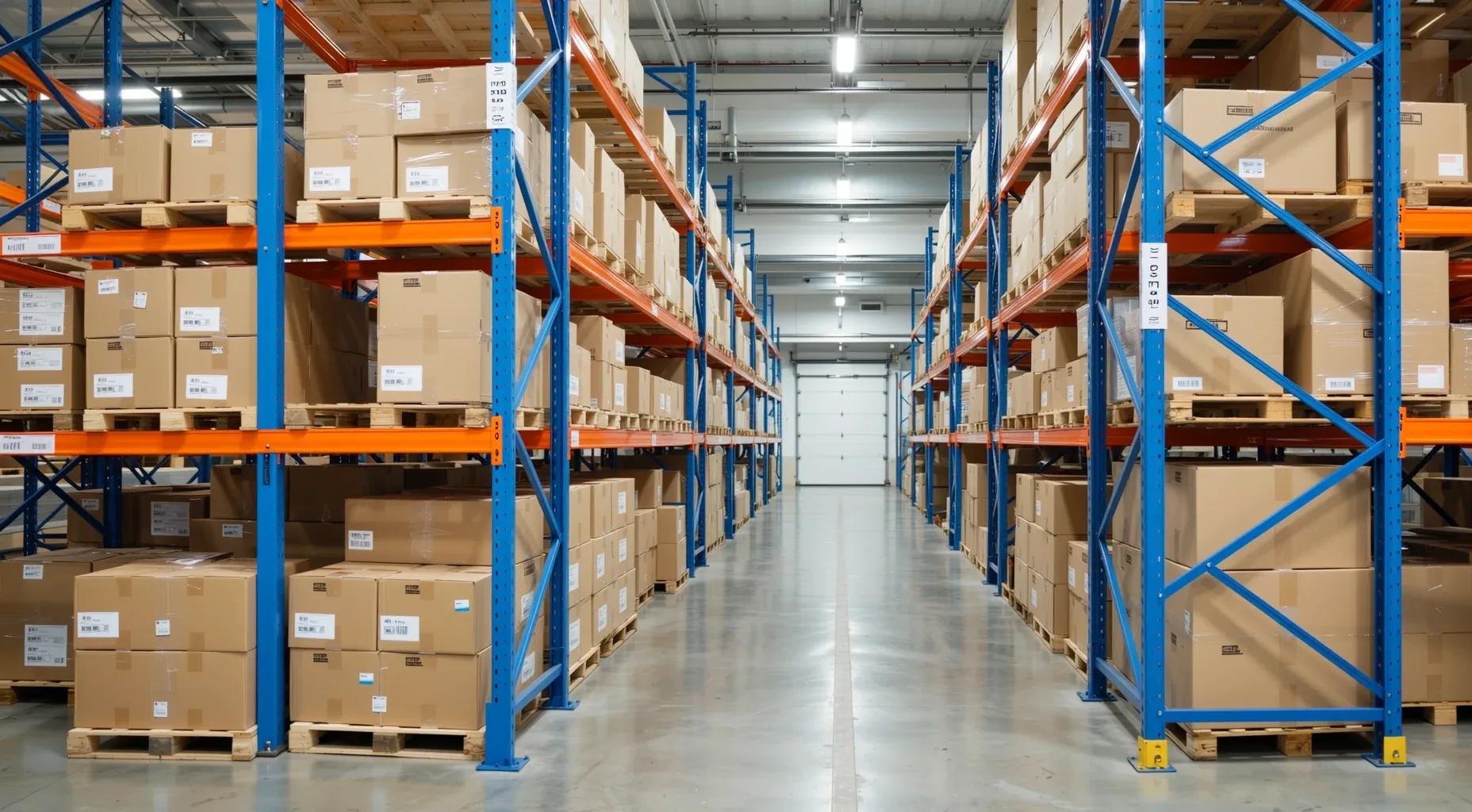
One of the most effective ways to reduce future inventory risk is to improve your purchasing plan.
Many retailers place large bulk orders because the unit price looks attractive. However, a lower wholesale price does not always mean a better business decision.
Consider these factors before confirming your next order:
- Historical sales performance
- Current inventory levels
- Expected market demand
- Product shelf life and trend cycle
- Available warehouse space
- Cash flow and purchasing budget
- Supplier MOQ and production lead time
For custom merchandise, avoid placing a large order based only on assumptions about customer demand.
Start with a manageable quantity when possible. Review the sales results before expanding the order.
6. Work With Your Manufacturer on Flexible Reorder Planning
A reliable manufacturer can help you manage inventory more effectively.
When you work with a supplier in China, discuss your sales forecasts and purchasing schedule before production starts.
Ask your manufacturer about:
- MOQ and low MOQ options
- Wholesale pricing at different order quantities
- Production capacity for future repeat orders
- Lead time for new orders
- Artwork and specification storage
- OEM / ODM customization options
- Quality control standards across different batches
For example, you may launch several custom acrylic designs with a smaller initial order. After you identify the best-selling designs, you can place a larger bulk order for those products.
This approach helps you avoid committing too much budget to untested designs.
At BOCE GIFTS, we support B2B buyers, retailers, and brands with factory-direct custom manufacturing, OEM / ODM services, and merchandise development. You can discuss your product range, order quantities, and repeat order plans with our team before starting your next project.
7. Use Sales Data to Plan Your Next Product Mix
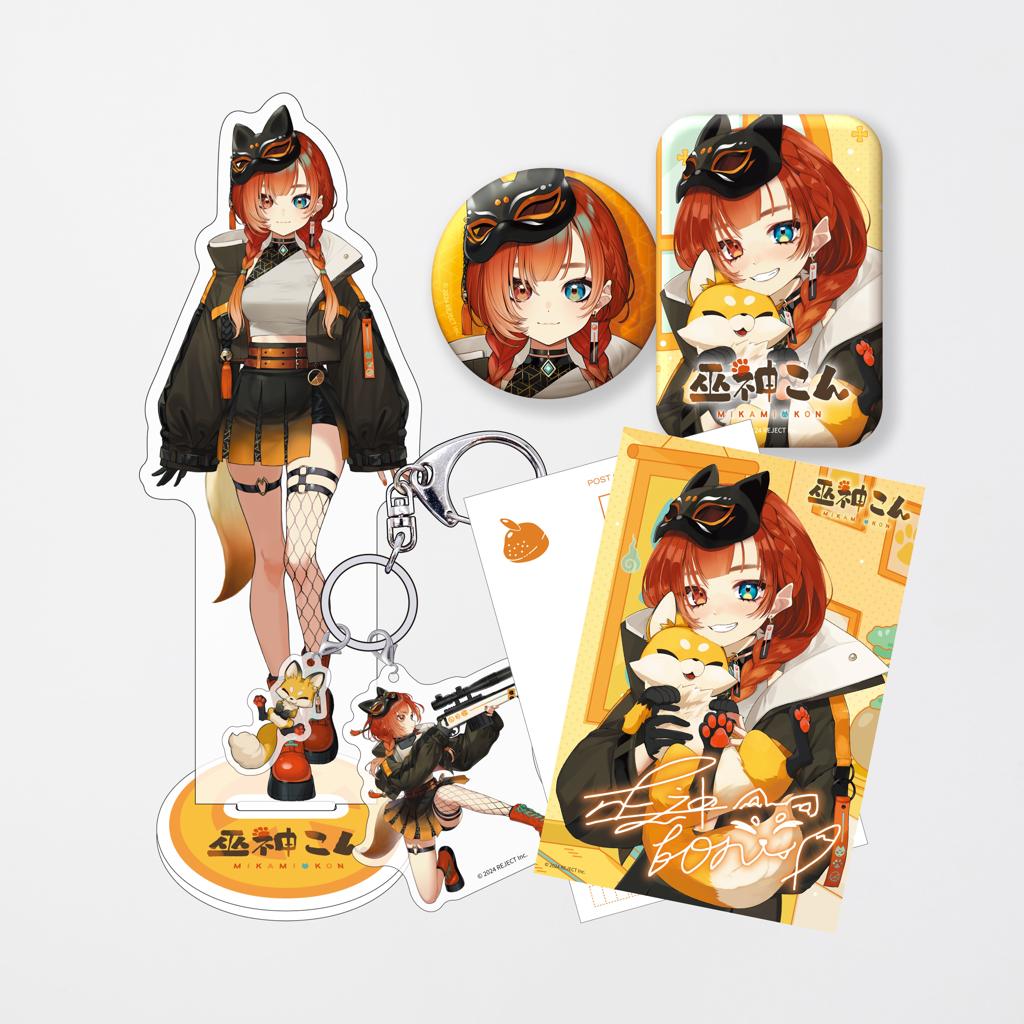
Your slow-moving inventory can provide useful information for future product development.
Review the performance of each product and ask:
- Which designs generate the most repeat purchases?
- Which products attract new customers?
- Which price points perform best?
- Which product categories have the highest sell-through rates?
- Which items work well in bundles?
- Which products need a new design or different packaging?
For anime and promotional merchandise, consider balancing your product mix with different price levels.
For example:
| Product Type | Business Purpose |
|---|---|
| Acrylic keychains | Affordable entry-level products |
| Tinplate badges | Small collectible accessories |
| Acrylic standees | Main display products |
| Photocard holders | Complementary fan merchandise |
| Gift sets | Higher-value bundled products |
Do not choose your next products only because they look attractive. Use actual sales data to guide your purchasing decisions.
8. Build an Inventory Review and Reorder Schedule
A regular review helps you identify problems before they become expensive.
You can start with a simple monthly inventory review.
Monthly Inventory Checklist
- Review sales by SKU.
- Identify products with low sales velocity.
- Check inventory age and remaining quantities.
- Compare actual sales with your forecast.
- Review products that need promotions.
- Identify items suitable for bundles.
- Update your next purchasing plan.
- Share demand forecasts with your manufacturer.
- Confirm production lead time and repeat order requirements.
You can also set reorder points for your best-selling products.
A simple formula is:
Reorder Point = Average Daily Sales × Lead Time + Safety Stock
For example, if you sell 10 units per day, your supplier needs 20 days to complete production and delivery, and you keep 50 units as safety stock:
Reorder Point = 10 × 20 + 50 = 250 units.
When your inventory reaches 250 units, you should review whether you need to place another order.
Adjust this formula to reflect your actual sales, production schedule, and shipping time.
9. Common Inventory Management Mistakes to Avoid
Avoid these common mistakes when managing wholesale merchandise inventory:
Ordering based only on unit price
A lower unit price may require a larger order quantity. Consider total inventory cost, not just the product price.
Ignoring slow-moving SKUs
Small amounts of unsold stock across many products can create a significant inventory problem.
Repeating the same order without reviewing sales
A repeat order should reflect actual customer demand, not simply copy the previous purchase quantity.
Keeping products without a clear sales plan
Set a review date for slow-moving products. Decide whether to promote, bundle, redesign, or discontinue them.
Changing suppliers without understanding the root cause
A slow-moving product may have a demand or pricing problem rather than a manufacturing problem. Identify the cause before changing your supplier.
10. Build a Smarter Wholesale Purchasing Strategy
Good inventory management starts before you place a bulk order.
When you select products carefully, set realistic order quantities, review sales performance, and maintain communication with your manufacturer, you can reduce excess stock and make better use of your purchasing budget.
For B2B buyers and retailers, the right wholesale supplier should offer more than competitive wholesale pricing. You also need reliable production capacity, consistent quality control, clear lead time, and support for repeat orders.
BOCE GIFTS provides factory-direct custom manufacturing for acrylic merchandise, promotional gifts, and other customized products. Our team works with wholesalers, retailers, and brands on OEM / ODM projects, product development, and bulk order planning.
Planning a new merchandise collection or your next repeat order? Contact BOCE GIFTS to discuss your product ideas and wholesale requirements.
Frequently Asked Questions
1. What is slow-moving merchandise inventory?
Slow-moving merchandise inventory refers to products that sell more slowly than expected and remain in storage longer than your normal inventory cycle.
2. How can retailers reduce excess inventory?
Retailers can review sales data, improve product displays, create product bundles, offer targeted promotions, and adjust future purchasing quantities.
3. Should I discount all slow-moving products?
No. First identify why each product sells slowly. Some products need better marketing or presentation, while others may need a price adjustment or clearance plan.
4. How can a manufacturer help reduce inventory risk?
A manufacturer can discuss MOQ, production capacity, lead time, product specifications, and repeat order planning. This helps buyers make more informed purchasing decisions.
5. Is a low MOQ always better for wholesale buyers?
Not necessarily. Low MOQ can help you test new products and reduce initial inventory commitments. However, you should also compare wholesale pricing, shipping costs, and future reorder requirements.
6. How often should I review my merchandise inventory?
Many retailers start with a monthly review. Fast-moving, seasonal, or trend-sensitive products may need more frequent monitoring.