
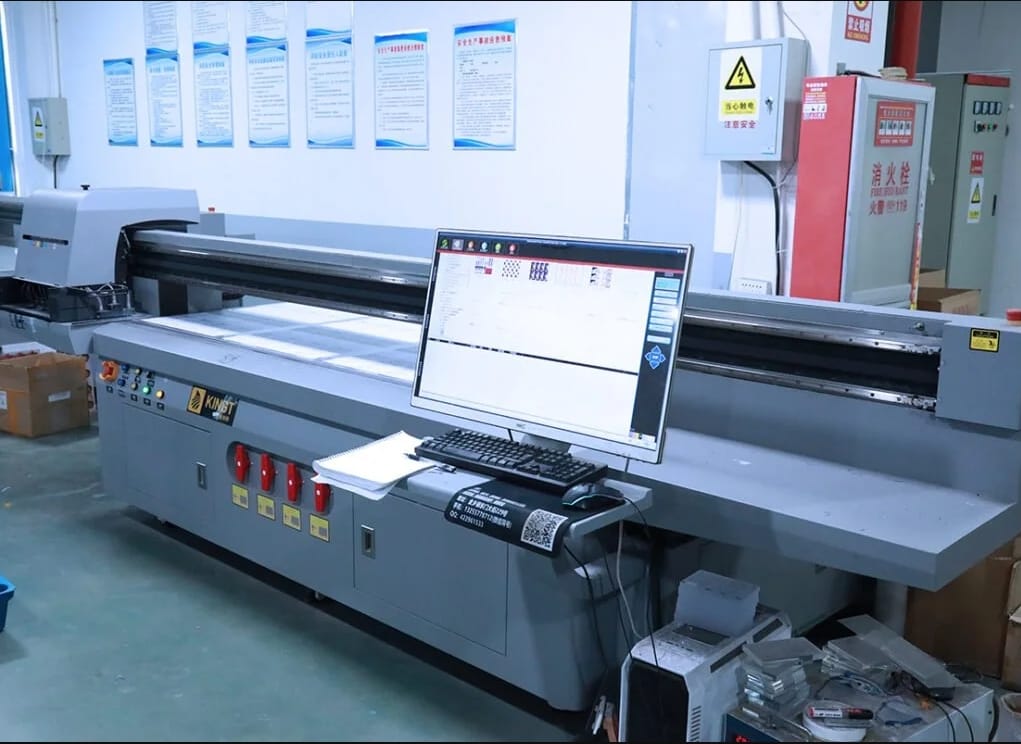
In the realm of promotional merchandise, brand giveaways, and trade show displays, acrylic standees remain one of the most popular items thanks to their crystal-clear transparency, vibrant colors, and versatile shapes.
However, when ordering custom acrylic standees, brand managers and sourcing professionals often face a pivotal technical decision: Should you choose Single-sided Printing or Double-sided Sandwich Printing?
These two processes differ not only in production workflow and cost, but they also directly impact visual quality, durability, and brand perception. This article breaks down the pros and cons of both techniques to help you make the best decision for your brand positioning and budget.
What is Single-sided Printing?
Single-sided Printing is the most standard and common method for manufacturing acrylic standees. It typically involves printing the design directly onto one side of a single acrylic sheet using UV printing technology—usually on the back surface (back-printed) or the front surface (front-printed).
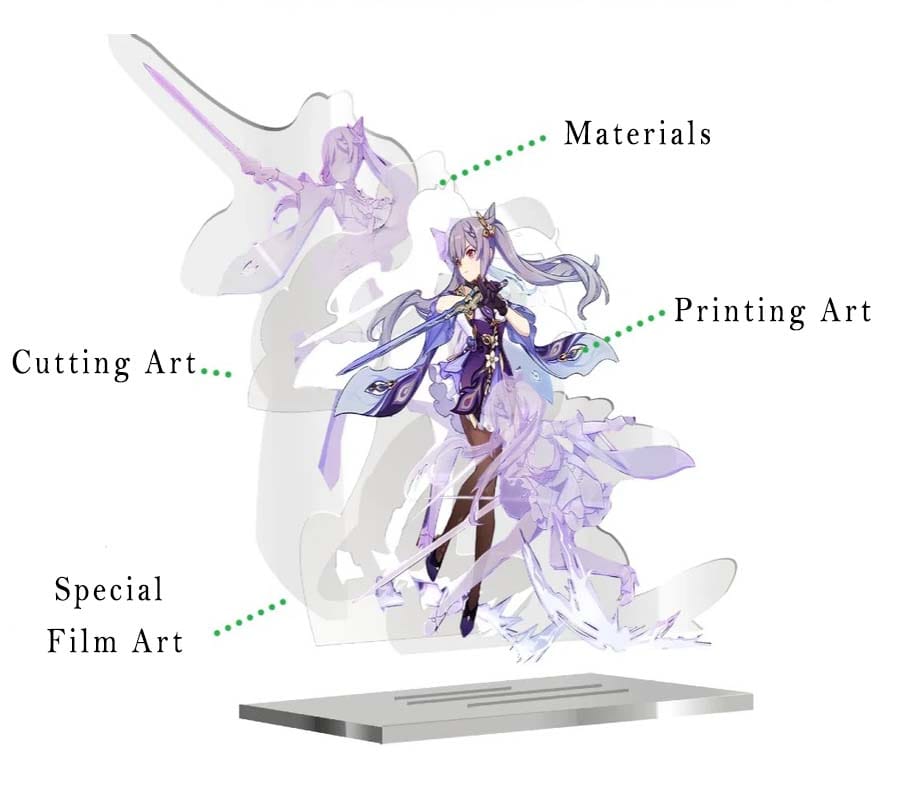
Process Characteristics:
-
Single Sheet: Uses a single acrylic panel (typically 3mm to 4mm thick).
-
Exposed Ink Layer: Ink is printed on one side. Looking from the front, you see the artwork through the clear acrylic; on the back, the printed layer is accessible directly (usually sealed with a white ink backing).
Pros:
-
Cost-Effective: Simple production workflow with lower unit costs, making it ideal for tight budgets.
-
Vibrant Clarity: Viewing the design through the front acrylic layer gives it a glossy, translucent finish.
Cons:
-
Moderate Scratch Resistance: Because the back ink layer is exposed, frequent friction or scraping can cause edge chipping or surface scratches over time.
-
Basic Rear Appearance: The back displays only a plain white ink base layer, lacking design details or dual-sided viewability.
What is Double-sided Sandwich Printing?
Double-sided Sandwich Printing (also known as Acrylic Encapsulation or Double-layer Lamination) is a premium production method. The artwork is printed between two acrylic panels or sealed tightly inside, “sandwiching” the design in the middle.
Process Characteristics:
-
Dual-Layer Composite: Made by bonding two thinner acrylic sheets together (e.g., 1.5mm + 1.5mm or 2mm + 2mm), housing the design securely inside.
-
Dual-Sided Display: High-definition graphics can be seen from both sides. It supports both same-image printing (identical on both sides) and different-image printing (e.g., character front on one side, character back on the other).
Pros:
-
Exceptional Durability: The printed layer is completely sealed inside the acrylic, rendering it immune to external scratches, fingerprints, water damage, or peeling.
-
Premium Look & Feel: Both sides feature smooth, polished surfaces, delivering a superior tactile feel and high-end visual depth.
-
High Design Flexibility: Allows creative dual-sided artwork (e.g., front showing a character/product, back displaying a brand logo or background details).
Cons:
-
Higher Unit Cost: Requires two sheets of acrylic and additional lamination steps, making raw material and labor costs higher than single-sided printing.
-
Slightly Longer Turnaround: High-precision bonding is required to avoid bubbles or dust trapped between layers, which slightly increases lead times.
Process Comparison at a Glance
To help you compare both techniques quickly, here is a breakdown of key indicators:
| Feature | Single-sided Printing | Double-sided Sandwich Printing |
| Structure | Single acrylic sheet (3mm – 4mm) | Dual acrylic sheets bonded (e.g., 1.5mm + 1.5mm) |
| Scratch Resistance | Moderate (exposed back layer) | Maximum (ink sealed inside) |
| Viewability | Single-sided (white back layer) | Dual-sided (same or different images) |
| Cost | Budget-friendly for bulk orders | Premium (higher material & labor cost) |
| Lead Time | Fast turnaround | Slightly longer production cycle |
| Best Used For | Trade show giveaways, promotional events | Retail merchandise, IP collaborations, VIP gifts |
Decision Guide: Which One Should Your Brand Choose?
Choose 【Single-sided Printing】 when:
-
Operating on a tight budget or large quantity: Perfect for bulk trade show freebies, fast-moving consumer goods (FMCG) purchase gifts, or wide-scale promotional drops.
-
Targeting short-term campaigns: Ideal for pop-up shops or seasonal events where items do not require long-term wear resistance.
-
Needing fast turnaround times: Critical when event deadlines are tight and quick factory dispatch is required.
Choose 【Double-sided Sandwich Printing】 when:
-
Creating high-margin retail products: Essential for anime/gaming IP merchandise, blind box collectibles, or official e-commerce store items.
-
Focusing on brand prestige & longevity: Designed for gifts intended to sit permanently on desks or display shelves as lasting brand keepsakes.
-
Leveraging creative dual-sided artwork: Ideal for designs incorporating interactive elements—such as a product shot on the front and a QR code, slogan, or reverse angle on the back.