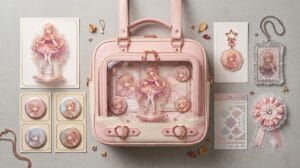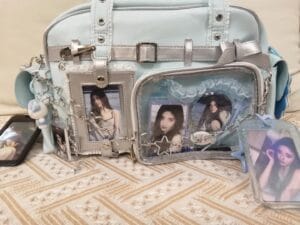
Taking your favorite custom anime acrylic standee on trips, to conventions, or just out to a cafe has become a huge trend for fans. However, because these figures are fragile, they can easily snap or scratch if they aren’t packed properly. Whether you are moving across the country or just tossing a figure into your backpack, you need to know how to pack it correctly so it stays in perfect condition.
Why Acrylic Needs Special Care
Acrylic might look like glass, but it is actually a rigid plastic. While it won’t shatter as easily as glass, it is very prone to scratching. Even regular household dust can leave permanent cloudy marks if it rubs against the surface during a bumpy car ride.
If you are buying fresh inventory directly from an acrylic standee manufacturer, you know how glossy and beautiful a brand-new piece looks. To keep it that way, you have to protect it from sudden drops, heavy pressure, and harsh chemical cleaners that can damage the plastic.
Prep Work: Before You Pack
Before you wrap anything up, you must prepare the standee to prevent accidental breakage.
-
Take It Apart: Never travel with the character still plugged into the base! If left assembled, any bump to your bag will put pressure on the small connecting peg and snap it off. Always pack the character and the base as separate pieces.
-
Leave the Protective Film On: If your item still has the clear plastic film applied by the custom acrylic standees maker, leave it on during your trip. It acts as the perfect scratch guard.
-
Clean Gently: If the film is already off, wipe the acrylic with a soft, dry glasses cloth. If it is dirty, use a little warm water and mild dish soap. Never use harsh glass cleaners or alcohol, as they will permanently cloud the plastic.
The 3-Step Packing Method
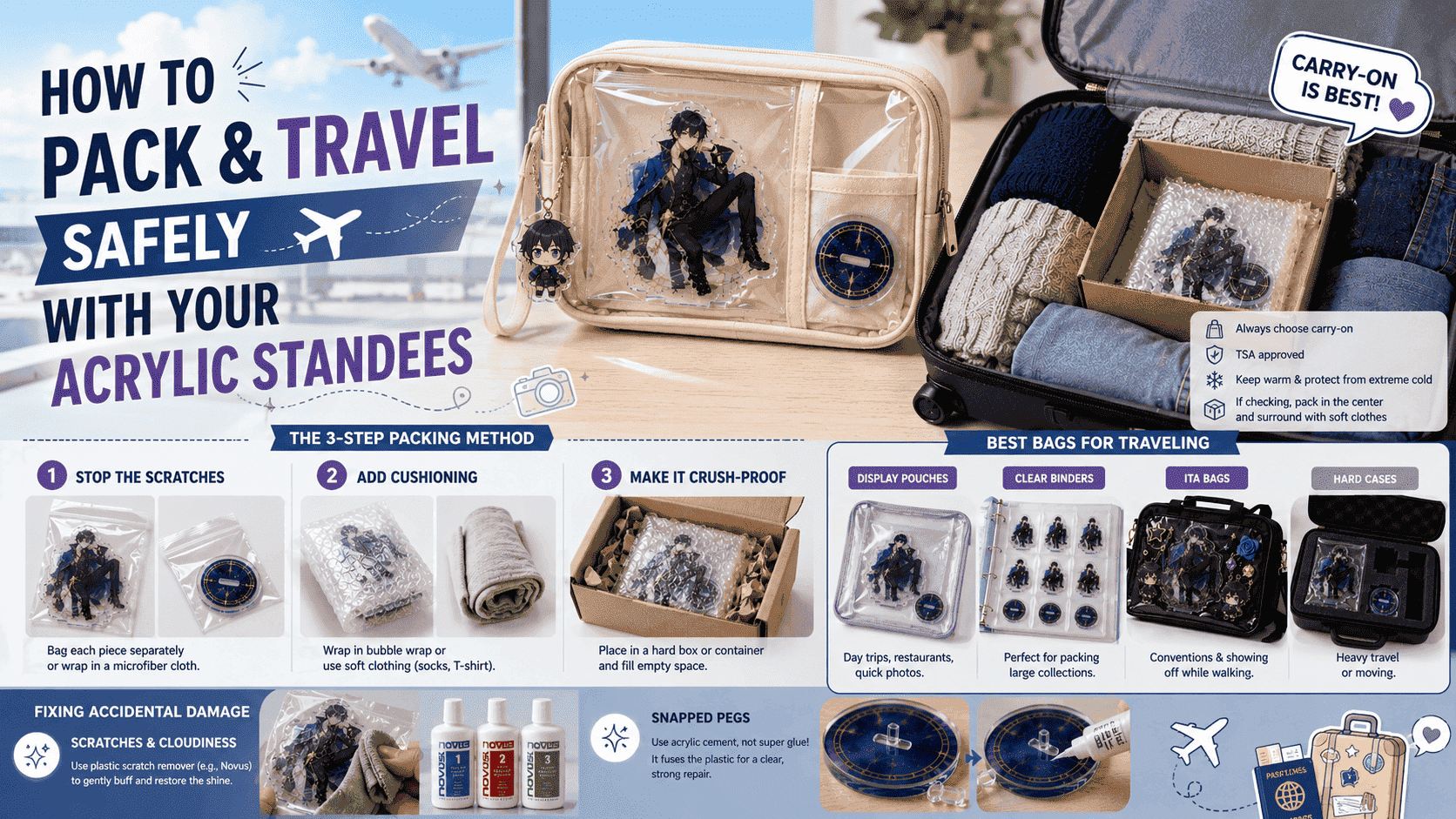
To make sure your items survive a trip, you need to build layers of protection.
-
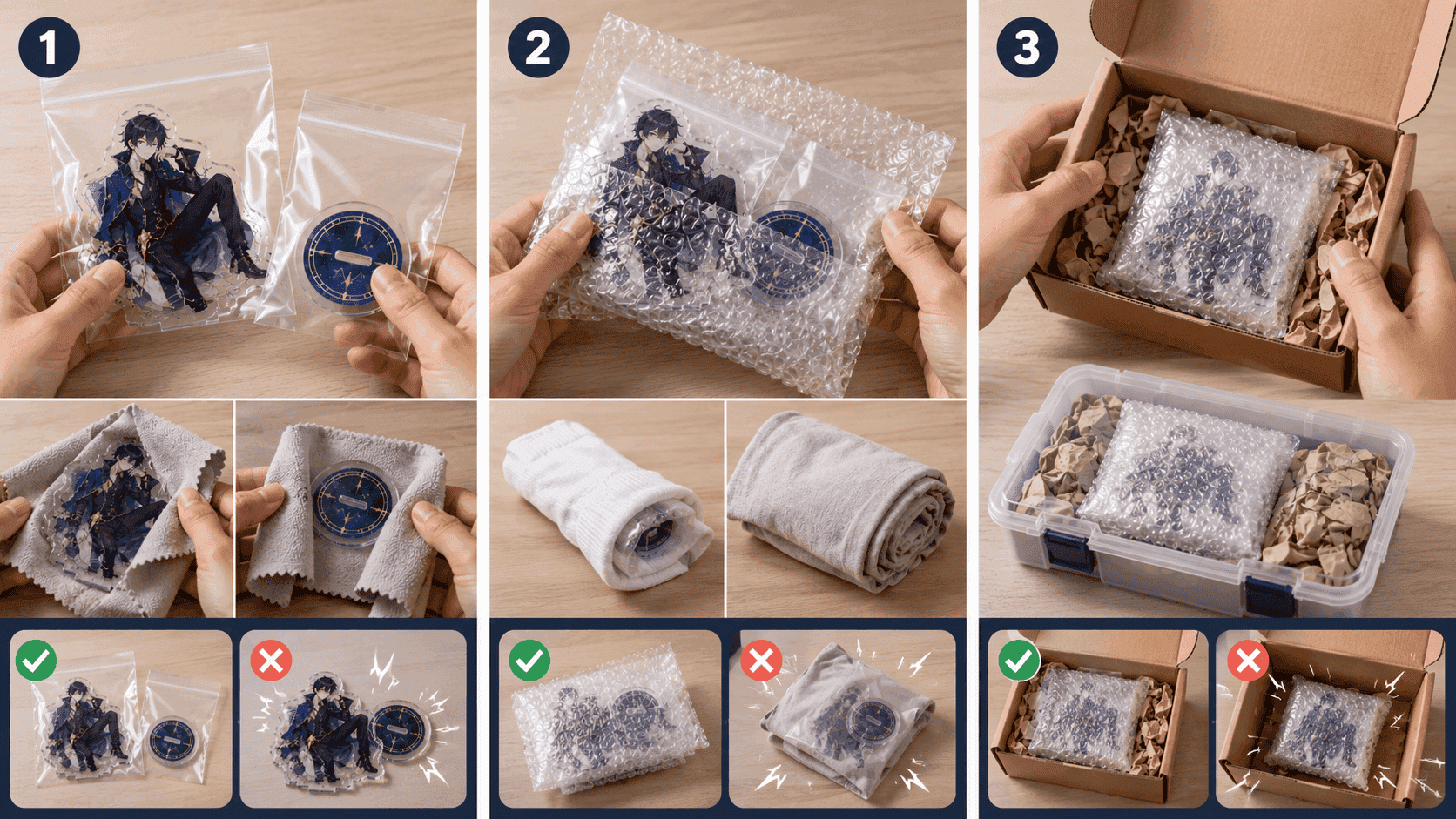
Stop the Scratches: Put the character and the base into their own separate, small clear plastic bags. If you don’t have small bags, wrap each piece individually in a clean microfiber cloth. Never let two bare pieces of acrylic touch, or they will scratch each other.
-
Add Cushioning: Wrap the bagged pieces tightly in bubble wrap. If you are on vacation and don’t have bubble wrap, you can carefully roll the pieces inside a pair of thick, clean socks or a soft t-shirt. Just make sure the clothing has no metal zippers or hard buttons that could press into the acrylic.
-
Make It Crush-Proof: Place your cushioned bundle inside a small, sturdy cardboard box or a hard plastic container. Fill any empty space with crumpled paper so the standee doesn’t rattle around when shaken.
Best Bags for Traveling
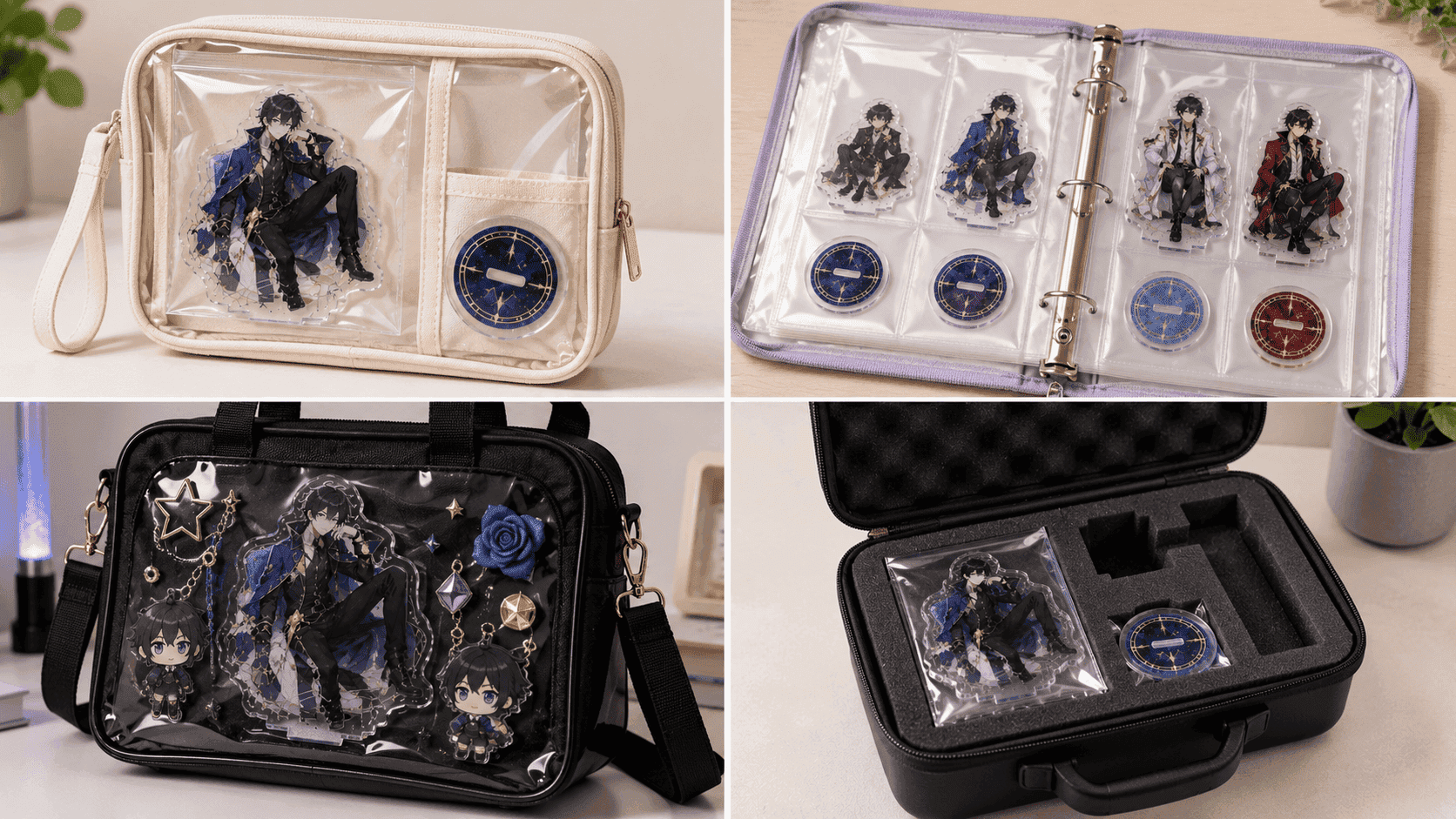
There are many great bags designed specifically for carrying merchandise safely and showing it off.
| Bag Type | Best For | Key Features |
| Display Pouches | Day trips, restaurants, and quick photos. | Clear window with separate internal pockets for the figure and the base. |
| Clear Binders | Packing large collections into a suitcase. | Flat, heavy-duty plastic pages that keep dozens of figures separated. |
| Ita Bags | Conventions and showing off while walking. | Large clear windows. Make sure to pin or secure the standee inside so it doesn’t bounce. |
| Hard Cases | Heavy travel or moving. | Rigid outside shell with thick foam inside to prevent crushing. |
Airport Security and Flying
-
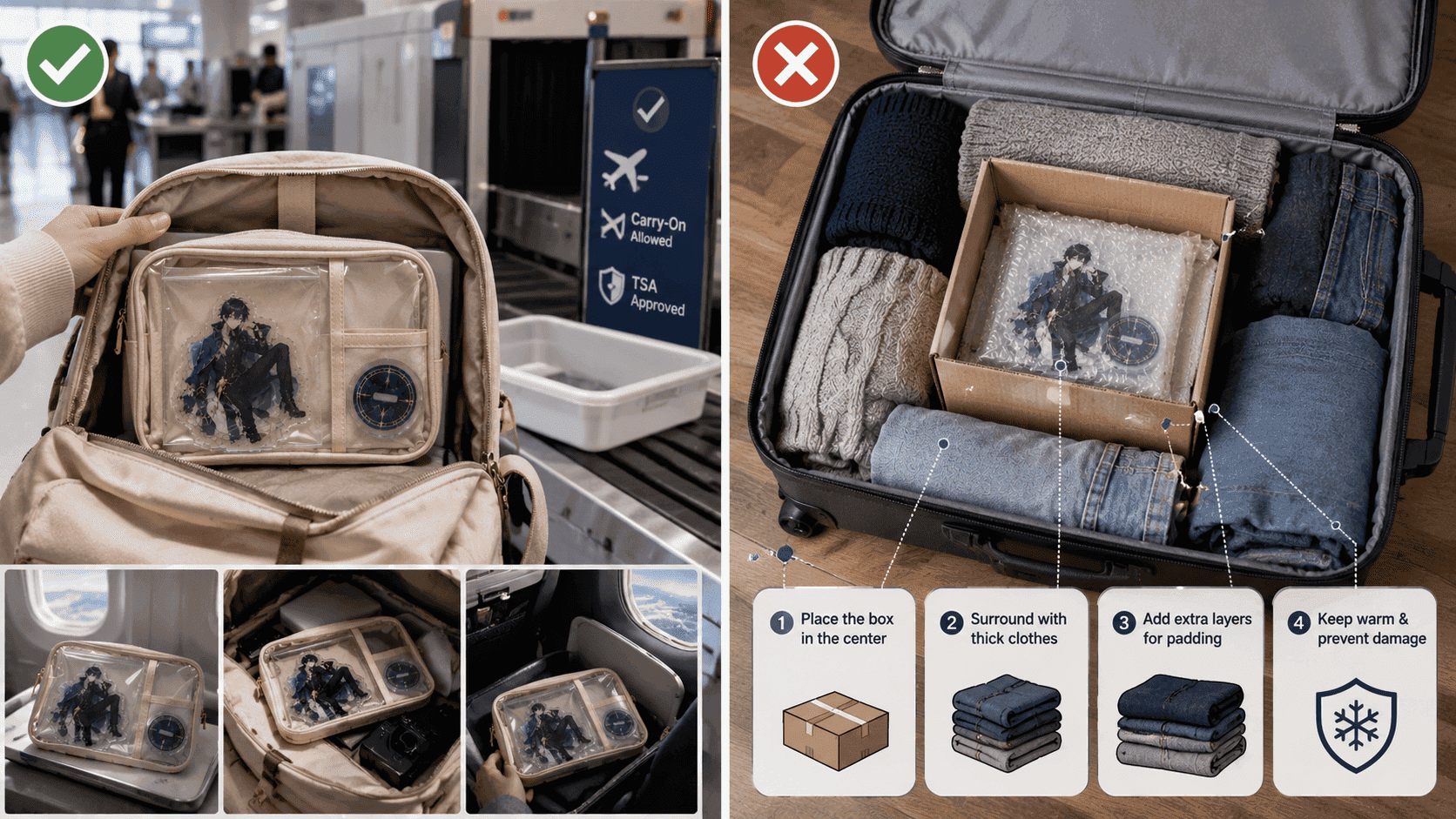
Always Choose Carry-On: It is always safer to pack your figures in your carry-on bag. Airport security (TSA) completely allows them. Keeping them with you ensures they won’t get tossed around or crushed by heavy luggage.
-
If You Must Check Them: Pack the protective cardboard box in the exact center of your suitcase. Surround it completely with your thickest clothes, like heavy sweaters and jeans. This adds extra padding and keeps the plastic warm, as the freezing temperatures in the cargo hold make acrylic brittle and easy to snap.
Fixing Accidental Damage
Even with the best packing, accidents can sometimes happen during travel.
-
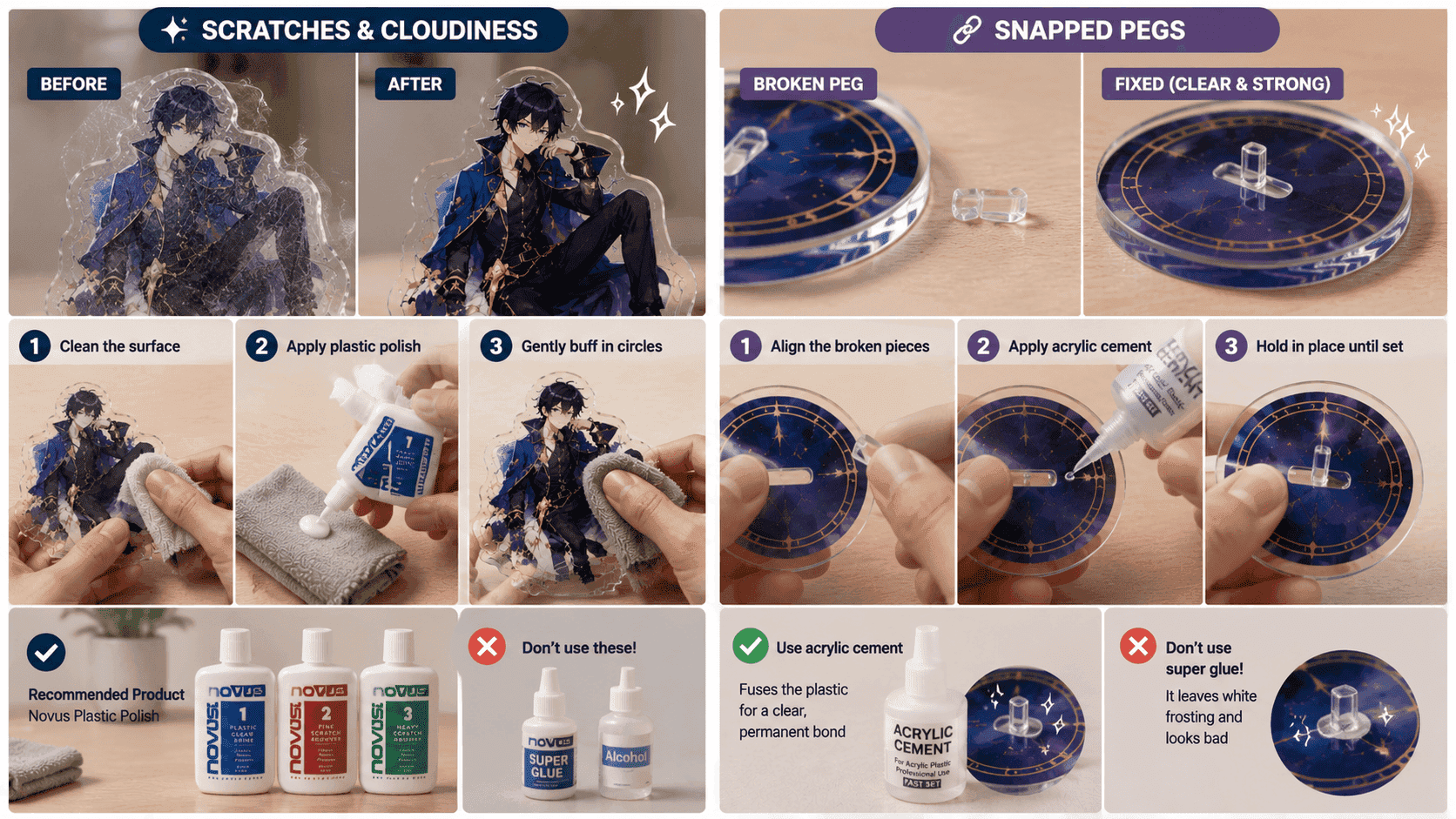
Scratches and Cloudiness: Use a specialized plastic scratch remover (like Novus plastic polish). It gently buffs out the damage and restores the shiny, clear finish.
-
Snapped Pegs: Never use regular super glue to fix a broken base peg! It leaves an ugly white frost on the plastic. Instead, use a specialized acrylic cement. This liquid lightly melts the plastic to fuse the broken pieces back together permanently.